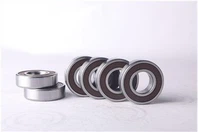
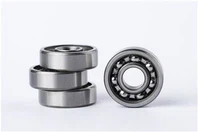
Hey there, fellow bearing enthusiasts! As a supplier of Bearing 6203llu, I often get asked the question, "Can Bearing 6203llu be reused?" Let's dig into this topic and see what the deal is.
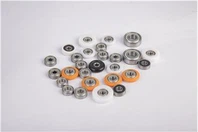
First off, let's understand what Bearing 6203llu is. It's a small - sized bearing that's used in a variety of applications. You can find more detailed info about it on our website by clicking Bearing 6203llu. These bearings are commonly used in things like small motors, conveyor systems, and even some types of Small Rollers with Bearings. They're designed to handle radial loads and, to some extent, axial loads, making them quite versatile.
Now, back to the main question: Can they be reused? Well, it depends on several factors.
Condition of the Bearing
The first and most important thing to consider is the condition of the bearing. If the bearing has been subjected to excessive wear and tear, it's probably not a good candidate for reuse. Signs of excessive wear include pitting on the raceways, which are the smooth surfaces where the rolling elements move. Pitting can cause the rolling elements to not move as smoothly as they should, leading to increased friction and potential failure.
Another sign is excessive play in the bearing. You can check for this by gently trying to move the inner and outer rings relative to each other. If there's a lot of movement or looseness, it means the bearing has worn out and might not work properly if reused.
On the other hand, if the bearing shows only minor signs of wear, like a little bit of surface rust that can be easily removed or very light scratches that don't affect the performance of the rolling elements, then there's a good chance it can be reused.
Operating Environment
The operating environment also plays a huge role. If the bearing was used in a clean, dry environment with proper lubrication, it's more likely to be reusable. For example, in an indoor factory setting where the air is filtered and the machinery is well - maintained, the bearing is less likely to be contaminated.
However, if the bearing was used in a harsh environment, like a mining operation where there's a lot of dust, dirt, and moisture, it's at a higher risk of damage. The dust can get into the bearing and act like sandpaper, wearing down the raceways and rolling elements. Moisture can cause rust, which can weaken the bearing's structure over time.
Maintenance and Inspection
Proper maintenance and inspection are key to determining if a Bearing 6203llu can be reused. Before considering reuse, a thorough inspection should be carried out. This includes cleaning the bearing to remove any dirt, grease, or debris. You can use a suitable solvent for this, but make sure to dry the bearing completely afterward to prevent rust.
After cleaning, a visual inspection should be done under good lighting. Look for any signs of damage as mentioned earlier. You can also use tools like a micrometer to measure the dimensions of the bearing. If the dimensions have changed significantly from the original specifications, it's a sign that the bearing might not be reusable.
If the inspection shows that the bearing is in good condition, it's still a good idea to perform some basic maintenance. This could involve re - lubricating the bearing with the appropriate lubricant. The type of lubricant depends on the application and the operating conditions. For example, if the bearing is used in a high - temperature environment, a high - temperature lubricant should be used.
Risks of Reusing
While reusing a Bearing 6203llu can save costs, there are also risks involved. If the bearing is reused when it's not in a good enough condition, it can lead to premature failure. This can cause unexpected downtime in your equipment, which can be costly in terms of lost productivity.
It can also cause damage to other parts of the machinery. For example, if a worn - out bearing fails while the machine is running, it can put extra stress on the shafts and other components, leading to more extensive and expensive repairs.
When Reuse is a Good Idea
There are situations where reusing a Bearing 6203llu makes perfect sense. If you're working on a budget or if the bearing was used in a low - stress application and is in good condition, reusing it can be a great option.
Let's say you have a small DIY project where you're using a 20mm Roller Bearing like the 6203llu. If the bearing was previously used in a similar low - speed, low - load environment and shows no signs of significant wear, it can be reused without much worry.
In industrial settings, if you have a large number of bearings and you've properly maintained and inspected them, reusing some of the ones in good condition can help reduce costs without sacrificing too much on performance.
As a supplier of Bearing 6203llu, I'm here to help you make the best decision. Whether you're considering reusing or buying new bearings, I've got the knowledge and the products to meet your needs. If you have any questions about Bearing 6203llu, its reuse, or any other bearing - related issues, don't hesitate to reach out. Let's have a chat and figure out the best solution for your application.


If you're interested in purchasing Bearing 6203llu or any of our other products, we're ready to have a detailed discussion about your requirements. We can talk about quantities, pricing, and delivery options. So, let's start that conversation and get you the bearings you need for your projects.
References
- "Bearing Technology Handbook", Various Authors
- Manufacturer's Documentation for Bearing 6203llu