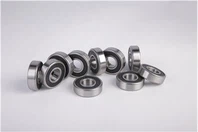
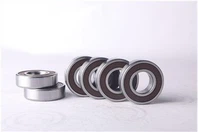
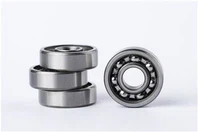
As a supplier of 20mm roller bearings, I often receive inquiries about the special requirements for lubricating these precision components. Proper lubrication is crucial for the performance, longevity, and reliability of any roller bearing, and the 20mm roller bearing is no exception. In this blog, I will delve into the key aspects of lubricating a 20mm roller bearing, including the types of lubricants, lubrication methods, and other important considerations.
Types of Lubricants
There are two main types of lubricants used for roller bearings: grease and oil. Each type has its own advantages and disadvantages, and the choice depends on several factors such as operating conditions, speed, load, and temperature.
Grease Lubrication
Grease is a popular choice for lubricating 20mm roller bearings due to its simplicity and ease of use. It consists of a base oil, a thickener, and various additives. The base oil provides the lubricating properties, while the thickener holds the oil in place and prevents it from leaking out. Additives are used to enhance the performance of the grease, such as improving its resistance to oxidation, corrosion, and wear.
One of the main advantages of grease lubrication is its ability to provide long-term lubrication without the need for frequent re-lubrication. Grease also acts as a sealant, preventing contaminants from entering the bearing and protecting it from corrosion. However, grease has a higher viscosity than oil, which can cause increased friction and heat generation at high speeds. Therefore, it is important to choose the right type of grease for the specific application.
When selecting a grease for a 20mm roller bearing, consider the following factors:
- Base oil viscosity: The viscosity of the base oil determines the grease's ability to lubricate at different temperatures and speeds. A higher viscosity oil is suitable for high-load and low-speed applications, while a lower viscosity oil is better for high-speed applications.
- Thickener type: There are several types of thickeners used in greases, such as lithium, calcium, and polyurea. Each type has its own characteristics, so choose a thickener that is compatible with the operating conditions of the bearing.
- Additives: Look for greases that contain additives such as anti-wear agents, antioxidants, and rust inhibitors to enhance the performance and protection of the bearing.
Oil Lubrication
Oil lubrication is often preferred for high-speed and high-temperature applications where grease may not be able to provide sufficient lubrication. Oil has a lower viscosity than grease, which allows it to flow more easily and reduce friction and heat generation. It also provides better cooling and can remove contaminants from the bearing more effectively.
There are different methods of oil lubrication, including bath lubrication, splash lubrication, and oil mist lubrication. Bath lubrication involves immersing the bearing in an oil bath, while splash lubrication uses rotating parts to splash oil onto the bearing. Oil mist lubrication, on the other hand, uses a fine mist of oil to lubricate the bearing.
When using oil lubrication for a 20mm roller bearing, consider the following:


- Oil viscosity: Similar to grease, the viscosity of the oil is an important factor. Choose an oil with the appropriate viscosity for the operating conditions of the bearing.
- Oil cleanliness: Contaminants in the oil can cause premature wear and damage to the bearing. Therefore, it is essential to use clean oil and ensure that the lubrication system is properly maintained.
- Lubrication rate: The rate at which oil is supplied to the bearing is crucial. Too little oil can lead to insufficient lubrication, while too much oil can cause excessive heat generation and energy consumption.
Lubrication Methods
The lubrication method used for a 20mm roller bearing depends on the type of lubricant, the operating conditions, and the design of the bearing and the equipment. Here are some common lubrication methods:
Grease Filling
Grease filling is a simple and cost-effective method of lubricating 20mm roller bearings. It involves filling the bearing cavity with the appropriate amount of grease. The amount of grease required depends on the size of the bearing and the operating conditions. As a general rule, about one-third to one-half of the bearing cavity should be filled with grease.
When filling the bearing with grease, it is important to ensure that the grease is evenly distributed and that there are no air pockets. Use a grease gun or a similar tool to apply the grease slowly and steadily. Avoid overfilling the bearing, as this can cause excessive heat generation and reduce the bearing's performance.
Oil Bath Lubrication
Oil bath lubrication is suitable for low-speed and medium-speed applications. In this method, the bearing is partially immersed in an oil bath. The oil level should be maintained at a proper height to ensure that the bearing is adequately lubricated.
To prevent the oil from overheating and oxidizing, it is important to use an oil with good thermal stability and to provide proper cooling. The oil bath should also be equipped with a filter to remove contaminants from the oil.
Oil Mist Lubrication
Oil mist lubrication is a more advanced method that is commonly used in high-speed and high-temperature applications. In this method, a fine mist of oil is generated and directed towards the bearing. The oil mist provides continuous lubrication and cooling, while also removing contaminants from the bearing.
Oil mist lubrication requires a specialized lubrication system, including an oil mist generator, a distribution system, and a control unit. The system needs to be properly maintained to ensure its reliability and performance.
Other Considerations
In addition to choosing the right lubricant and lubrication method, there are other factors to consider when lubricating a 20mm roller bearing:
Operating Conditions
The operating conditions of the bearing, such as temperature, speed, load, and environment, have a significant impact on the lubrication requirements. For example, in high-temperature applications, a lubricant with good thermal stability is required to prevent oxidation and degradation. In dusty or dirty environments, a lubricant with good sealing properties is needed to prevent contaminants from entering the bearing.
Bearing Design
The design of the 20mm roller bearing can also affect the lubrication. Some bearings are designed with special features, such as seals or shields, to retain the lubricant and prevent contaminants from entering. These features can reduce the need for frequent re-lubrication and improve the bearing's performance and reliability.
Maintenance and Monitoring
Regular maintenance and monitoring are essential for ensuring the proper lubrication of 20mm roller bearings. This includes checking the lubricant level, condition, and quality, as well as inspecting the bearing for signs of wear, damage, or contamination. By detecting and addressing any issues early, you can prevent costly downtime and extend the life of the bearing.
Conclusion
Proper lubrication is essential for the optimal performance and longevity of 20mm roller bearings. By choosing the right lubricant, lubrication method, and considering the operating conditions and bearing design, you can ensure that your bearings operate smoothly and efficiently.
As a supplier of 20mm Roller Bearing, we offer a wide range of high-quality bearings and lubrication solutions to meet your specific needs. If you have any questions or need further assistance with lubricating your 20mm roller bearings, please feel free to contact us. We are always ready to help you make the right choices and ensure the success of your applications.
In addition to our 20mm roller bearings, we also provide Small Rollers with Bearings and Bearing 6203llu for various industrial applications. Our products are known for their reliability, durability, and excellent performance.
If you are interested in purchasing our products or discussing your requirements, we invite you to contact us for a detailed discussion. Our experienced team will be happy to assist you with your procurement needs and provide you with the best solutions.
References
- Harris, T. A., & Kotzalas, M. N. (2007). Rolling Bearing Analysis. Wiley.
- Zaretsky, E. V. (2010). Ball and Roller Bearing Engineering. CRC Press.
- SKF. (2017). SKF Rolling Bearing Handbook. SKF Group.