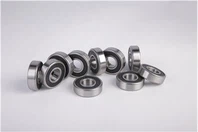
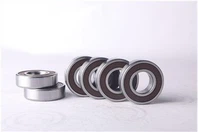
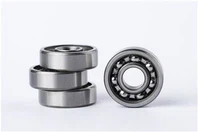
Hey there! As a supplier of Door Bearing Wheels, I've seen firsthand how crucial these little components are for smooth door operation. Whether it's a sliding door in your home or a heavy - duty industrial door, the door bearing wheels play a key role. And like any other mechanical part, they need proper maintenance to last longer and work efficiently. So, let's dive into some maintenance tips for door bearing wheels.
Regular Cleaning
One of the simplest yet most effective maintenance steps is regular cleaning. Over time, dirt, dust, and debris can accumulate on the wheels and in the tracks. This buildup can cause the wheels to become jammed or move unevenly. To clean the wheels, start by removing any loose dirt with a soft brush. You can use an old toothbrush for this job. Then, use a mild detergent mixed with water to wipe down the wheels and the tracks. Make sure to dry them thoroughly after cleaning to prevent rust.
For stubborn grime, you might need a stronger cleaner. But be careful not to use anything too harsh that could damage the wheels. Some industrial - strength cleaners can eat away at the bearing surfaces. After using a cleaner, always rinse the wheels well and dry them completely.
Lubrication
Lubrication is another essential part of maintaining door bearing wheels. A good lubricant reduces friction between the moving parts, which not only makes the door easier to open and close but also extends the life of the wheels. There are different types of lubricants available, such as grease and oil.
Grease is a popular choice for door bearing wheels because it stays in place better and provides long - lasting protection. When applying grease, use a grease gun to get it into the bearings. Make sure to apply it evenly around the entire bearing surface. Don't over - grease, though, as too much grease can attract more dirt and cause problems.
Oil is a lighter lubricant and is suitable for wheels that need a more fluid movement. You can use a small oil can to apply a few drops of oil to the axles and the bearing surfaces. But keep in mind that oil may need to be reapplied more frequently than grease.
Inspection for Wear and Tear
Regularly inspecting the door bearing wheels for wear and tear is vital. Look for signs like cracks, chips, or excessive wear on the wheel surface. If you notice any of these issues, it's time to replace the wheels. A damaged wheel can cause the door to malfunction and may even lead to more serious problems, such as damage to the door frame or the track.
Check the bearings themselves as well. If the bearings are making a grinding or clicking noise, it could indicate that they are worn out or need lubrication. You can also try to move the wheel by hand. If it feels loose or wobbly, there might be an issue with the bearings or the mounting.
Alignment
Proper alignment of the door bearing wheels is crucial for smooth operation. If the wheels are not aligned correctly, the door may not slide or swing properly. You can check the alignment by looking at the position of the wheels in the track. They should be centered and parallel to each other.
If you find that the wheels are misaligned, you may need to adjust the mounting brackets. Use a wrench to loosen the bolts on the brackets and then move the wheels into the correct position. Once they are aligned, tighten the bolts securely. Make sure to double - check the alignment after making any adjustments.
Tightening Loose Parts
Over time, the bolts and nuts that hold the door bearing wheels in place can become loose. This can cause the wheels to move around and not function properly. Regularly check all the mounting hardware and use a wrench to tighten any loose bolts or nuts.
Be careful not to over - tighten the bolts, as this can strip the threads or damage the mounting brackets. Just make sure they are snug enough to keep the wheels in place.
Special Considerations for Different Types of Wheels
There are various types of door bearing wheels, and each may require slightly different maintenance. For example, Industrial Roller Bearings are designed for heavy - duty applications. These wheels often operate under high loads and may need more frequent lubrication and inspection.
U Type Groove Pulley wheels are commonly used in sliding doors. They rely on the groove to guide the door along the track. Make sure to keep the groove clean and free of debris to ensure smooth movement.
Sliding Gate Roller Bearings are used in large sliding gates. These bearings are exposed to the elements and may need more protection from rust and corrosion. You can apply a rust - resistant coating to the wheels and the axles to prevent rusting.
When to Replace the Wheels
Even with proper maintenance, door bearing wheels will eventually wear out. If you've tried all the maintenance steps and the wheels still aren't working properly, it's probably time to replace them. Signs that it's time for a replacement include excessive noise, difficulty in opening or closing the door, and visible damage to the wheels or bearings.
When replacing the wheels, make sure to choose the right ones for your door. Consider factors like the size, load capacity, and the type of door (sliding, swinging, etc.). As a Door Bearing Wheels supplier, I can help you find the perfect wheels for your specific needs.


Conclusion
Taking care of your door bearing wheels is not that difficult, but it does require some regular attention. By following these maintenance tips, you can keep your doors operating smoothly and extend the life of the wheels. Remember, a well - maintained door not only makes your life easier but also adds value to your property.
If you're in the market for new door bearing wheels or have any questions about maintenance, don't hesitate to reach out. We're here to help you find the best solutions for your door needs. Whether it's a small residential door or a large industrial door, we've got the right wheels for you.
References
- "Mechanical Maintenance Handbook"
- "Door Hardware and Installation Guide"