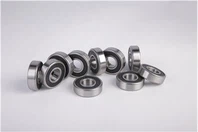
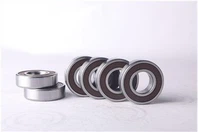
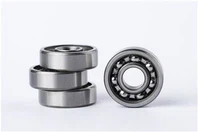
Yeah, so you're probably wondering if small bearings come in metric or imperial sizes. Well, as a supplier of Small Bearings, I'm here to give you the lowdown on this whole sizing thing.
Let's start by getting a bit clarity on what metric and imperial sizes actually mean. Metric sizes use the metric system, which is based on units like millimeters. It's a super straightforward and widely used system around the globe. On the other hand, imperial sizes are part of the imperial system and are usually measured in inches. This system is more commonly used in the United States, and it can be a bit trickier to work with compared to the metric system.
Now, when it comes to small bearings, the answer is yes! They're available in both metric and imperial sizes. The choice between the two largely depends on various factors, and different industries have their preferences.
Metric Small Bearings
Metric-sized small bearings are super popular, especially in industries outside the United States. Most of the European and Asian manufacturers favor metric units because they're simple and easy to understand. For example, if you're looking at a small bearing with a 10mm inner diameter, it's very clear and precise.
A lot of modern machinery and equipment are designed with metric measurements in mind. That's why you'll often find metric small bearings in automotive parts, high - tech electronics, and precision instruments. These industries require a high level of accuracy, and the metric system offers consistent and precise sizing.
Take our Bearing 6001ZZ for example. It's a classic small bearing with metric sizing. The inner diameter, outer diameter, and width are all specified in millimeters. This makes it easy to integrate into metric - based machinery. If you're building a small electric motor or a precision medical device, this bearing is a great option. The metric sizing ensures that it fits perfectly with other metric components, reducing the risk of errors or malfunctions.
Imperial Small Bearings
However, imperial sizes still have their place, especially in the United States and some industries that have a long - standing tradition of using the imperial system. In the aerospace and some heavy - machinery industries in the US, imperial measurements are deeply ingrained. When you're working on older equipment or in industries where imperial standards have been followed for years, imperial small bearings are essential.


The Bearing 6200 is available in both metric and imperial versions. If you're working on an older American - made machine that was designed with imperial measurements, the imperial - sized Bearing 6200 will be the one you need. It ensures compatibility with the existing components and maintains the performance and reliability of the machinery.
One advantage of imperial sizing is that in some cases, it can offer more flexible or traditional sizing options for certain applications. For example, some older manufacturing processes may have been optimized around imperial measurements, and it can be more cost - effective to stick with the imperial - sized bearings rather than re - engineering the entire process to switch to metric.
Choosing the Right Size
So, how do you decide whether to go for metric or imperial small bearings? Well, it all boils down to your specific application. If you're working in a global or international context, especially with new equipment designs, metric sizes are usually the way to go. They're more standardized and easier to source from suppliers all over the world.
On the other hand, if you're dealing with legacy equipment in the US or certain industries that strictly adhere to imperial standards, then imperial - sized bearings are your best bet. You don't want to use the wrong size, as it can lead to all sorts of problems, like poor performance, increased wear and tear, and even safety hazards.
It's also important to consider the availability of the bearings. As a Small Bearings supplier, we have a wide range of both metric and imperial small bearings in stock. But sometimes, depending on the specific size and type you need, one system might be more readily available than the other. So, it's a good idea to plan ahead and check with your supplier to ensure you can get the bearings you need when you need them.
Quality and Compatibility
Regardless of whether you choose metric or imperial small bearings, quality and compatibility are key. You want bearings that are made from high - quality materials and manufactured to strict standards. At our company, we take great pride in offering only the best small bearings. We source our products from reliable manufacturers who use advanced manufacturing techniques and quality control measures to ensure the performance and durability of the bearings.
Compatibility is also crucial. Make sure the bearings you choose are compatible with the other components in your machinery or equipment. This includes factors like the shaft size, housing size, and the operating conditions. If you're not sure about the compatibility, our team of experts is always here to help. We can provide you with technical advice and guidance to ensure you make the right choice.
Contact Us for Your Small Bearing Needs
So, if you're in the market for small bearings, whether it's metric or imperial sizes, we're here to assist you. We understand that every application is unique, and we're committed to helping you find the perfect bearings for your needs. Whether you're a small business owner, an engineer working on a new project, or a maintenance technician looking to replace worn - out bearings, we've got you covered.
Don't hesitate to reach out to us for more information or to start a purchase negotiation. We're always happy to answer your questions and provide you with a competitive quote. Let's work together to ensure your machinery runs smoothly and efficiently with the right small bearings.
References
- Machinery's Handbook, 31st Edition
- Bearing Engineering Manual by various bearing manufacturers
- Industry standards and specifications for metric and imperial bearing sizes