As a supplier of big ball bearings, I often get asked about the durability of these essential mechanical components. Big ball bearings are used in a wide range of industries, from automotive and aerospace to heavy machinery and industrial equipment. Their durability is a critical factor that determines the performance and longevity of the machinery they are a part of. In this blog post, I will delve into the factors that contribute to the durability of big ball bearings and provide insights based on my experience in the industry.
Understanding Big Ball Bearings
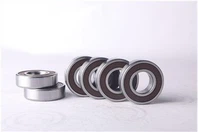
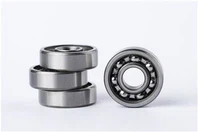
Big ball bearings are designed to support radial and axial loads in various applications. They consist of an inner ring, an outer ring, a set of balls, and a cage that keeps the balls evenly spaced. The size of big ball bearings can vary significantly, with some having diameters of several feet. These bearings are typically made from high - quality materials such as chrome steel, stainless steel, or ceramic, each with its own set of properties that affect durability.
Material Quality and Durability
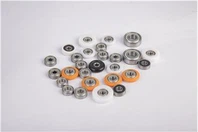
The material used in the manufacturing of big ball bearings plays a crucial role in their durability. Chrome steel is one of the most commonly used materials for ball bearings. It offers excellent hardness, wear resistance, and fatigue strength. Chrome steel bearings can withstand high loads and repeated stress without significant deformation or wear. Stainless steel bearings, on the other hand, are preferred in applications where corrosion resistance is a concern. They are often used in food processing, marine, and chemical industries. Although stainless steel may not be as hard as chrome steel, advancements in metallurgy have improved its durability to a great extent.
Ceramic ball bearings are a relatively new addition to the market. They are made from materials such as silicon nitride or zirconia. Ceramic balls have several advantages over steel balls. They are lighter, which reduces the centrifugal forces acting on the bearing at high speeds. They also have a lower coefficient of friction, which results in less heat generation and less wear. Additionally, ceramic balls are more resistant to corrosion and can operate in harsh environments. However, ceramic bearings are generally more expensive than steel bearings, which may limit their use in some applications.
Design and Manufacturing Processes
The design of big ball bearings also affects their durability. A well - designed bearing will have an optimal contact angle between the balls and the raceways. This contact angle determines how the load is distributed across the bearing, which in turn affects its ability to withstand stress. For example, angular contact ball bearings are designed to handle both radial and axial loads by having a specific contact angle that allows for efficient load transfer.
The manufacturing process is equally important. Precision machining is required to ensure that the raceways are smooth and have the correct geometry. Any imperfections in the raceways can lead to uneven wear and premature failure of the bearing. Heat treatment is another critical step in the manufacturing process. Proper heat treatment can enhance the hardness and toughness of the bearing material, improving its durability.
Operating Conditions
The operating conditions of big ball bearings have a significant impact on their durability. Temperature, speed, load, and lubrication are some of the key factors to consider. High temperatures can cause the bearing material to expand, which can lead to increased friction and wear. Excessive speeds can also generate heat and put additional stress on the bearing components. Heavy loads can cause deformation of the raceways and balls, reducing the bearing's lifespan.


Lubrication is essential for the durability of big ball bearings. It reduces friction between the balls and the raceways, dissipates heat, and protects the bearing from corrosion. There are different types of lubricants available, such as grease and oil. The choice of lubricant depends on the operating conditions of the bearing. For example, grease is often used in applications where the bearing operates at relatively low speeds and in a sealed environment. Oil lubrication is preferred for high - speed applications or in situations where better heat dissipation is required.
Maintenance and Monitoring
Proper maintenance and monitoring can significantly extend the durability of big ball bearings. Regular inspection of the bearings can help detect early signs of wear, such as abnormal noise, vibration, or temperature increase. Timely replacement of worn - out components can prevent more serious damage to the bearing and the machinery it is part of.
Monitoring systems can also be used to track the performance of big ball bearings. These systems can measure parameters such as temperature, vibration, and lubricant condition. By analyzing the data collected by these systems, it is possible to predict when a bearing is likely to fail and take preventive action.
Real - World Examples
In the automotive industry, big ball bearings are used in the drivetrain, suspension, and steering systems. These bearings need to be durable to withstand the constant vibrations, shocks, and varying loads. For example, in a car's wheel hub assembly, the bearings support the weight of the vehicle and the forces generated during acceleration, braking, and cornering. A durable bearing in this application ensures smooth and safe operation of the vehicle.
In the aerospace industry, big ball bearings are used in aircraft engines, landing gear, and control systems. The reliability and durability of these bearings are of utmost importance as any failure can have catastrophic consequences. Bearings in aircraft engines need to operate at high speeds and temperatures, and they must be able to withstand extreme conditions.
Conclusion
In conclusion, big ball bearings can be highly durable if they are made from high - quality materials, designed and manufactured properly, and operated under appropriate conditions. The choice of material, design, and lubrication all play a role in determining the bearing's lifespan. Additionally, proper maintenance and monitoring can help ensure that the bearings perform optimally for an extended period.
If you are in the market for big ball bearings, it is important to consider your specific application requirements. Whether you need a bearing for a high - speed, high - load application or a bearing that can operate in a corrosive environment, there is a solution available. As a supplier of big ball bearings, I am committed to providing high - quality products that meet the diverse needs of my customers.
If you are interested in learning more about our Track Bearing Roller or other big ball bearing products, or if you have any questions regarding the durability and suitability of our bearings for your application, please do not hesitate to contact us. We are here to assist you in making the right choice for your machinery.
References
- Harris, T. A., & Kotzalas, M. N. (2007). Rolling Bearing Analysis. Wiley.
- Gupta, P. K. (2002). Handbook of Bearings. McGraw - Hill.
- Zaretsky, E. V. (1998). Rolling Bearing Fatigue Life. Marcel Dekker.