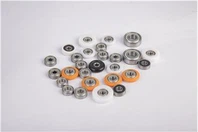
When it comes to the world of mechanical components, bearings play a crucial role in ensuring the smooth operation of various machinery. Among the many types of bearings available, the 608 roller bearing is a popular choice due to its versatility and wide range of applications. As a trusted supplier of 608 Roller Bearing, we often receive inquiries about the maximum radial load this bearing can withstand. In this blog post, we will delve into the factors that influence the radial load capacity of a 608 roller bearing and provide you with a comprehensive understanding of its capabilities.
Understanding Roller Bearings
Before we discuss the maximum radial load of a 608 roller bearing, it's important to have a basic understanding of how roller bearings work. Roller bearings are designed to reduce friction between moving parts by using cylindrical or tapered rollers instead of balls. This design allows roller bearings to handle higher radial loads compared to ball bearings, making them ideal for applications that require heavy-duty performance.
The 608 roller bearing is a type of deep groove ball bearing that is commonly used in small to medium-sized machinery. It has a bore diameter of 8mm, an outer diameter of 22mm, and a width of 7mm. This compact size makes it suitable for a variety of applications, including electric motors, skateboards, and small appliances.
Factors Affecting Radial Load Capacity
The maximum radial load that a 608 roller bearing can withstand depends on several factors, including the bearing's design, material, and operating conditions. Let's take a closer look at each of these factors:
Bearing Design
The design of a roller bearing plays a significant role in determining its radial load capacity. Factors such as the number of rollers, the size of the rollers, and the contact angle between the rollers and the raceways can all affect the bearing's ability to handle radial loads. In general, bearings with more rollers and larger roller diameters can handle higher radial loads.
Material
The material used to manufacture the bearing also has a significant impact on its radial load capacity. High-quality materials, such as chrome steel or stainless steel, are commonly used in the production of roller bearings due to their excellent strength and durability. These materials can withstand high loads and resist wear and corrosion, ensuring long-term performance and reliability.
Operating Conditions
The operating conditions of the bearing, such as speed, temperature, and lubrication, can also affect its radial load capacity. High speeds can generate heat and increase the friction between the rollers and the raceways, which can reduce the bearing's load capacity. Similarly, extreme temperatures can cause the bearing material to expand or contract, affecting its performance. Proper lubrication is essential to reduce friction and wear, and to ensure smooth operation of the bearing.
Determining the Maximum Radial Load
To determine the maximum radial load that a 608 roller bearing can withstand, it's important to refer to the bearing manufacturer's specifications. These specifications typically include the dynamic load rating (C) and the static load rating (Co) of the bearing.
The dynamic load rating is the maximum load that a bearing can withstand for a specified number of revolutions without experiencing excessive wear or fatigue. It is typically expressed in kilonewtons (kN) and is based on a standard operating condition of 1 million revolutions.
The static load rating, on the other hand, is the maximum load that a bearing can withstand when it is stationary or rotating at a very low speed. It is also expressed in kilonewtons (kN) and is based on the maximum allowable deformation of the bearing's raceways.
In addition to the dynamic and static load ratings, the bearing manufacturer's specifications may also include other important information, such as the recommended operating temperature range, the maximum speed, and the lubrication requirements. It's important to follow these specifications to ensure optimal performance and longevity of the bearing.
Applications of 608 Roller Bearings
The 608 roller bearing is a versatile component that is used in a wide range of applications. Some of the common applications of 608 roller bearings include:
Electric Motors
Electric motors are one of the most common applications of 608 roller bearings. These bearings are used to support the rotating shaft of the motor and to reduce friction and wear. The high radial load capacity of the 608 roller bearing makes it suitable for use in electric motors of various sizes and power ratings.


Skateboards
Skateboards are another popular application of 608 roller bearings. These bearings are used in the wheels of the skateboard to provide smooth and efficient rolling. The compact size and high load capacity of the 608 roller bearing make it ideal for use in skateboard wheels, which require high-speed performance and durability.
Small Appliances
608 roller bearings are also commonly used in small appliances, such as fans, blenders, and power tools. These bearings are used to support the rotating parts of the appliance and to reduce friction and noise. The low cost and high performance of the 608 roller bearing make it a popular choice for small appliance manufacturers.
Conclusion
In conclusion, the maximum radial load that a 608 roller bearing can withstand depends on several factors, including the bearing's design, material, and operating conditions. By understanding these factors and referring to the bearing manufacturer's specifications, you can determine the appropriate bearing for your application and ensure optimal performance and longevity.
As a leading supplier of 608 Roller Bearing, we offer a wide range of high-quality bearings to meet the needs of our customers. Our bearings are manufactured using the latest technology and the highest quality materials, ensuring superior performance and reliability.
If you have any questions about the maximum radial load of a 608 roller bearing or if you need assistance in selecting the right bearing for your application, please feel free to contact us. Our team of experts is always available to provide you with the information and support you need.
References
- Bearing Handbook, SKF
- Rolling Bearing Technology, Timken
- Machinery's Handbook, Industrial Press