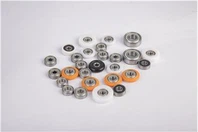
When discussing mechanical components, the U Type Groove Pulley is a crucial part in many industrial and mechanical applications. As a supplier of U Type Groove Pulleys, I often encounter various technical inquiries from customers. One question that has piqued my interest recently is about the electrical conductivity of a U Type Groove Pulley. In this blog post, I will delve into this topic, exploring the factors that influence the electrical conductivity of these pulleys and its implications in different settings.
Understanding U Type Groove Pulleys
Before we dive into the electrical conductivity aspect, let's first understand what a U Type Groove Pulley is. A U Type Groove Pulley is a mechanical device with a distinct U - shaped groove on its circumference. This design allows it to guide and support belts or ropes, enabling the transfer of power or motion between different parts of a machine. These pulleys are widely used in industries such as manufacturing, automotive, and conveyor systems. They come in various sizes, materials, and configurations to meet the diverse needs of different applications.
Factors Affecting Electrical Conductivity
The electrical conductivity of a U Type Groove Pulley is primarily determined by the material from which it is made. Here are some common materials used in the production of U Type Groove Pulleys and their associated electrical conductivity properties:
Metal Pulleys
- Steel Pulleys: Steel is one of the most commonly used materials for U Type Groove Pulleys. It is known for its high strength and durability. From an electrical conductivity perspective, steel is a good conductor of electricity. The conductivity of steel depends on its composition, with pure iron having a relatively high conductivity, but the addition of other elements such as carbon, manganese, and chromium can affect it. In general, steel pulleys can conduct electricity effectively, which makes them suitable for applications where electrical grounding or the transfer of electrical signals is required.
- Aluminum Pulleys: Aluminum is another popular choice for pulley manufacturing. It is lightweight and has good corrosion resistance. Aluminum is also an excellent conductor of electricity, with a conductivity that is about 60% of that of copper. This high conductivity makes aluminum U Type Groove Pulleys ideal for applications where weight is a concern, and electrical conductivity is necessary, such as in some electronic or aerospace applications.
Non - Metal Pulleys
- Plastic Pulleys: Plastic pulleys are often used in applications where noise reduction, chemical resistance, or low cost is a priority. However, most plastics are insulators, which means they have very low electrical conductivity. For example, polypropylene and nylon, two commonly used plastics in pulley manufacturing, have extremely high electrical resistance and do not conduct electricity. This property can be an advantage in applications where electrical isolation is required to prevent electrical interference or short - circuits.
- Ceramic Pulleys: Ceramic pulleys are known for their high hardness, wear resistance, and high - temperature resistance. Similar to plastics, ceramics are generally insulators. They have very low electrical conductivity due to their atomic structure, which restricts the movement of electrons. Ceramic U Type Groove Pulleys are often used in applications where electrical insulation is crucial, such as in high - voltage electrical systems.
Applications Based on Electrical Conductivity
The electrical conductivity of U Type Groove Pulleys plays a significant role in determining their suitability for different applications.
Conductive Pulley Applications
- Electrical Equipment: In electrical equipment, conductive pulleys are used to ensure proper electrical grounding. For example, in some motor - driven systems, steel or aluminum pulleys can be used to transfer electrical charges safely to the ground, preventing the build - up of static electricity. This is important for the safety and proper functioning of the equipment, as static electricity can cause damage to sensitive electronic components or even lead to electrical shocks.
- Automotive Industry: In the automotive industry, conductive pulleys are used in various systems, such as the alternator belt system. Aluminum pulleys are often preferred due to their lightweight and good electrical conductivity. They help in the efficient transfer of electrical power generated by the alternator to the battery and other electrical components in the vehicle.
Non - Conductive Pulley Applications
- Electronic Manufacturing: In electronic manufacturing, plastic or ceramic pulleys are used to prevent electrical interference. For example, in conveyor systems that transport electronic components, non - conductive pulleys ensure that the components are not exposed to electrical charges that could damage them. This is crucial for maintaining the quality and reliability of electronic products.
- High - Voltage Systems: In high - voltage electrical systems, ceramic pulleys are used as insulators. They can withstand high electrical stresses without conducting electricity, ensuring the safety and stability of the system. For instance, in power transmission lines, ceramic pulleys are used to support and guide the cables while providing electrical insulation.
Importance of Knowing Electrical Conductivity as a Supplier
As a supplier of U Type Groove Pulleys, understanding the electrical conductivity of our products is essential. It allows us to provide our customers with the right pulleys for their specific applications. When customers approach us with requirements related to electrical conductivity, we can recommend the most suitable material based on their needs. For example, if a customer needs a pulley for an electrical grounding application, we can suggest a steel or aluminum pulley. On the other hand, if the application requires electrical isolation, we can offer plastic or ceramic pulleys.
Moreover, by having in - depth knowledge of electrical conductivity, we can also educate our customers about the potential risks and benefits associated with different pulley materials. This helps them make informed decisions and ensures that they get the best value for their money.
Related Products and Their Electrical Conductivity
In addition to U Type Groove Pulleys, our product range also includes Door Bearing Wheels and Industrial Roller Bearings. The electrical conductivity of these products also depends on their materials.
Door Bearing Wheels can be made of various materials, including metal and plastic. Metal door bearing wheels, such as those made of steel or aluminum, are conductive and can be used in applications where electrical grounding is required. Plastic door bearing wheels, on the other hand, are non - conductive and are suitable for applications where electrical isolation is needed.
Industrial Roller Bearings also come in different materials. Steel roller bearings are conductive and are often used in applications where electrical signals need to be transmitted or where grounding is necessary. Ceramic roller bearings, on the other hand, are non - conductive and are used in high - precision and high - voltage applications.


Conclusion and Call to Action
In conclusion, the electrical conductivity of a U Type Groove Pulley is a crucial property that depends on the material from which it is made. Different materials offer different levels of electrical conductivity, making them suitable for a wide range of applications. As a supplier, we are committed to providing high - quality U Type Groove Pulleys that meet the specific electrical conductivity requirements of our customers.
If you are in need of U Type Groove Pulleys or any other related products, such as Door Bearing Wheels or Industrial Roller Bearings, please feel free to contact us for more information. We are here to assist you in finding the most suitable products for your applications. Whether you need conductive or non - conductive pulleys, we have the expertise and the product range to meet your needs. Let's start a conversation about your project and find the best solutions together.
References
- "Materials Science and Engineering: An Introduction" by William D. Callister Jr. and David G. Rethwisch
- "Mechanical Engineering Design" by Joseph E. Shigley, Charles R. Mischke, and Richard G. Budynas
- Industry standards and technical documents related to pulley manufacturing and electrical conductivity.