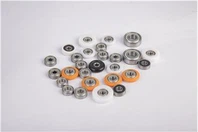
As a supplier of Bearing 6311, I often encounter customers who are confused about the differences between sealed and open Bearing 6311. In this blog post, I will delve into the details of these two types of bearings, highlighting their unique features, advantages, and applications.
Structure and Design
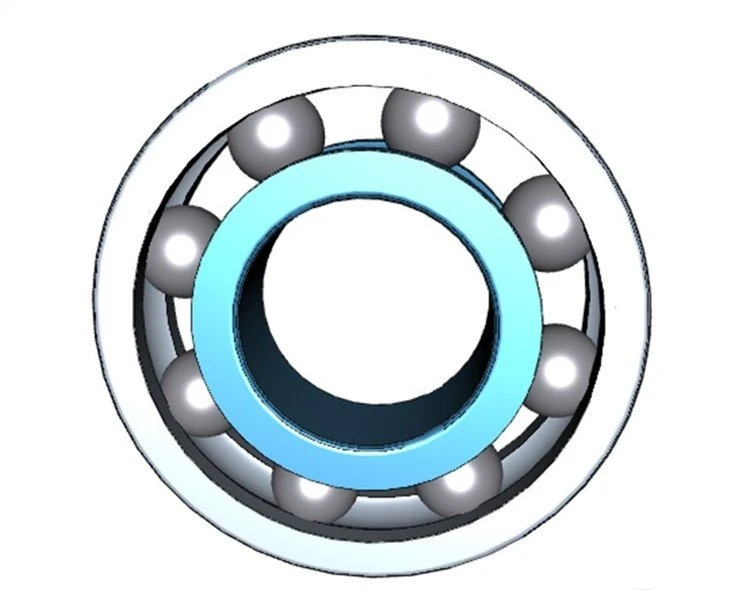
The most obvious difference between sealed and open Bearing 6311 lies in their structure. An open Bearing 6311 has a simple design with an outer ring, an inner ring, a set of balls, and a cage. The open design allows for easy inspection of the internal components and provides direct access for lubrication. This type of bearing is typically used in applications where the operating environment is clean and the bearing can be regularly maintained.
On the other hand, a sealed Bearing 6311 is equipped with seals on one or both sides of the bearing. These seals are designed to prevent contaminants such as dust, dirt, and moisture from entering the bearing, while also retaining the lubricant inside. The seals can be made of various materials, including rubber, metal, or a combination of both. The sealed design provides a higher level of protection for the bearing, making it suitable for use in harsh or dirty environments.
Lubrication
Lubrication is crucial for the proper functioning and longevity of bearings. In an open Bearing 6311, lubrication must be applied externally on a regular basis. This can be done using grease or oil, depending on the specific application requirements. The advantage of an open bearing is that it allows for easy adjustment of the lubrication amount and type. However, it also requires more frequent maintenance to ensure that the bearing remains properly lubricated.
In contrast, a sealed Bearing 6311 comes pre - lubricated with a specific type and amount of grease. The seals prevent the grease from leaking out and contaminants from getting in, reducing the need for frequent lubrication. This makes sealed bearings more convenient for applications where maintenance is difficult or where continuous operation is required. Once the pre - lubricated grease is depleted, it may be challenging to re - lubricate the sealed bearing without damaging the seals.
Contamination Resistance
One of the main benefits of a sealed Bearing 6311 is its superior contamination resistance. The seals act as a barrier, preventing dirt, dust, water, and other contaminants from entering the bearing. This is especially important in applications such as construction equipment, mining machinery, and agricultural vehicles, where the operating environment is often harsh and dirty. By keeping contaminants out, sealed bearings can significantly reduce the risk of premature wear, corrosion, and failure.
Open Bearing 6311, however, is more vulnerable to contamination. Without the protection of seals, dirt and debris can easily enter the bearing, causing abrasion and damage to the internal components. In clean environments, such as precision machinery and laboratory equipment, open bearings can still function effectively, but they require a clean operating environment and regular maintenance to prevent contamination.
Temperature and Speed Capabilities
Both sealed and open Bearing 6311 have different temperature and speed capabilities. The seals in a sealed bearing can generate additional friction, which may limit the maximum speed at which the bearing can operate. However, modern seal designs have been optimized to reduce friction, allowing sealed bearings to achieve relatively high speeds. Additionally, the seals can help to retain heat, which can be beneficial in some applications where a stable operating temperature is required.
Open bearings generally have lower friction due to the absence of seals, which allows them to operate at higher speeds. They are also more suitable for applications where high - temperature operation is required, as the open design allows for better heat dissipation. However, in high - temperature environments, the lubricant in an open bearing may degrade more quickly, requiring more frequent lubrication and maintenance.

Cost
Cost is an important factor to consider when choosing between sealed and open Bearing 6311. Sealed bearings are generally more expensive than open bearings. This is because the manufacturing process of sealed bearings is more complex, as it involves the installation of seals. Additionally, the pre - lubrication and higher level of protection provided by sealed bearings also contribute to their higher cost.
Open bearings, on the other hand, are more cost - effective. They have a simpler design and do not require the additional cost of seals and pre - lubrication. For applications where cost is a major concern and the operating environment is relatively clean, open bearings can be a more economical choice.
Applications
The choice between sealed and open Bearing 6311 depends largely on the specific application requirements. Here are some common applications for each type:
Open Bearing 6311
- Precision Machinery: In precision machinery such as machine tools and measuring instruments, open bearings are preferred because they offer low friction and high precision. The open design allows for easy adjustment and inspection, which is essential for maintaining the accuracy of the machinery.
- High - Speed Applications: Applications that require high - speed operation, such as electric motors and turbochargers, often use open bearings. The low friction of open bearings enables them to achieve higher speeds without overheating.
Sealed Bearing 6311
- Automotive Industry: In automotive applications such as wheel hubs and transmissions, sealed bearings are widely used. The harsh operating environment of vehicles, including exposure to dirt, water, and road debris, requires the superior contamination resistance provided by sealed bearings.
- Industrial Equipment: Industrial equipment such as conveyors, pumps, and compressors often operate in dirty or wet environments. Sealed bearings can protect the equipment from contamination and reduce the need for frequent maintenance, increasing the reliability and longevity of the equipment.
Conclusion
In summary, the choice between sealed and open Bearing 6311 depends on a variety of factors, including the operating environment, lubrication requirements, contamination resistance, temperature and speed capabilities, and cost. As a supplier of Bearing 6311, I understand the importance of choosing the right bearing for your specific application. If you are unsure which type of Bearing 6311 is best for your needs, I am here to help.
Whether you need a sealed Bearing 6311 for a harsh and dirty environment or an open Bearing 6311 for a high - speed and precision application, we can provide you with high - quality products that meet your requirements. If you are interested in purchasing Bearing 6311, please feel free to contact us for more information and to start a procurement negotiation. We look forward to serving you and helping you find the perfect bearing solution for your business.
References
- "Bearing Handbook" - SKF
- "Mechanical Engineering Design" - Joseph E. Shigley and Charles R. Mischke
- Industry whitepapers on bearing technology and applications.