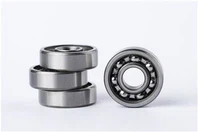
Hey there! I'm a supplier of Big Ball Bearings, and today I wanna chat about what the requirements are for Big Ball Bearings in food - processing equipment.
First off, let's get into why Big Ball Bearings are so important in food - processing. Food - processing equipment has to work non - stop most of the time. It needs to handle different kinds of tasks, from mixing and grinding to packaging. Big Ball Bearings play a key role here. They help the moving parts of the equipment rotate smoothly, reducing friction and wear. This not only extends the lifespan of the equipment but also ensures that the food - processing operations go on without a hitch.
Hygiene Requirements
One of the most crucial requirements for Big Ball Bearings in food - processing equipment is hygiene. The food industry has strict regulations when it comes to food safety. The bearings can't contaminate the food in any way.
For starters, the materials used to make the bearings need to be food - grade. Stainless steel is a popular choice. It's resistant to corrosion, which is important because food - processing environments can be wet and full of different chemicals. For example, if you're processing acidic fruits, the bearings need to be able to withstand the acidic environment without rusting or leaching any harmful substances into the food.
The surface finish of the bearings also matters. A smooth surface is better because it's easier to clean. Rough surfaces can trap food particles, bacteria, and other contaminants. Regular cleaning and sanitization are a must in food - processing facilities. So, the bearings should be designed in a way that they can be easily disassembled, cleaned, and reassembled. Some bearings even come with special coatings that are antimicrobial. These coatings help prevent the growth of bacteria on the bearing surface, adding an extra layer of protection for food safety.
Performance Requirements
In terms of performance, Big Ball Bearings in food - processing equipment need to be highly reliable. The equipment often runs for long hours, and any breakdown can lead to significant losses. The bearings should have a high load - carrying capacity. Food - processing machinery can be heavy, and the bearings need to support the weight of the moving parts as well as the force exerted during the processing.
They also need to operate at different speeds. For example, a mixer might start at a slow speed for gentle blending and then increase to a higher speed for more intense mixing. The bearings should be able to handle these speed changes smoothly without overheating or causing excessive vibration. Overheating can not only damage the bearings themselves but also affect the quality of the food being processed.
Another aspect of performance is precision. In food - processing, accuracy is key. Whether it's portioning the food or ensuring a consistent texture, the equipment needs to work precisely. Big Ball Bearings help maintain this precision by providing stable rotation. They reduce any play or movement that could lead to inaccurate processing.
Environmental Requirements
Food - processing environments can be harsh. Temperature variations are common. Some processes might involve heating the food, while others require cooling. The bearings need to be able to function well in a wide range of temperatures. For example, in a frozen food production line, the bearings need to work at very low temperatures without becoming brittle or losing their lubrication.
Moisture is also a big factor. As I mentioned earlier, many food - processing operations involve water or other liquids. The bearings should be protected against moisture to prevent rust and corrosion. Sealing is an important part of this. Good seals can keep out water, dust, and other contaminants, ensuring the bearings' longevity.
Compatibility Requirements
Big Ball Bearings need to be compatible with the other components of the food - processing equipment. They should fit properly into the housing and work well with the shafts. Any misalignment can cause premature wear and failure of the bearings. When selecting bearings for food - processing equipment, it's important to consider the overall design of the machinery. The bearings should be able to integrate seamlessly with the other parts, such as gears, belts, and motors.
Lubrication Requirements
Lubrication is essential for Big Ball Bearings in food - processing equipment. It reduces friction, which in turn reduces wear and heat generation. However, the lubricant used needs to be food - grade. Non - food - grade lubricants can contaminate the food and pose a health risk.
Food - grade lubricants are specially formulated to be safe for use in food - processing environments. They are often made from materials that are edible or at least non - toxic. Some lubricants also have anti - oxidant and anti - wear properties, which help extend the life of the bearings. The lubrication system should be designed in a way that it can provide a consistent supply of lubricant to the bearings, even during long - term operation.


Cost - effectiveness Requirements
Cost is always a consideration in any business, and the food - processing industry is no exception. While high - quality Big Ball Bearings are essential, they also need to be cost - effective. This doesn't mean sacrificing quality for price. Instead, it's about finding the right balance.
Some suppliers offer bearings that are designed to have a long service life. Although these bearings might have a higher upfront cost, they can save money in the long run by reducing the frequency of replacements and maintenance. Additionally, some bearings are designed to be more energy - efficient. They reduce the power consumption of the equipment, which can lead to cost savings on electricity bills.
The Role of Track Bearing Roller
When it comes to Big Ball Bearings in food - processing equipment, Track Bearing Roller can be a great option. Track Bearing Rollers are designed to provide smooth and reliable movement. They can handle high loads and are suitable for different types of food - processing machinery.
These rollers have a unique design that allows them to roll along a track, which can be beneficial in equipment where linear motion is required. For example, in a conveyor system in a food - processing plant, Track Bearing Rollers can ensure that the conveyor belts move smoothly, reducing the risk of jams and breakdowns. They also offer good precision, which is important for accurate food handling and processing.
Conclusion
So, there you have it. The requirements for Big Ball Bearings in food - processing equipment are quite strict. Hygiene, performance, environmental compatibility, and cost - effectiveness are all important factors. As a supplier of Big Ball Bearings, I understand the unique needs of the food - processing industry.
If you're in the market for high - quality Big Ball Bearings for your food - processing equipment, I'd love to have a chat with you. Whether you need more information about our products or want to discuss a specific requirement, feel free to reach out. We're here to help you find the best bearings that meet all the necessary standards and ensure the smooth operation of your food - processing machinery.
References
- "Food Safety and Sanitation in Food Processing", Wiley - Blackwell
- "Bearing Technology Handbook", SKF
- Industry reports on food - processing equipment and bearing requirements