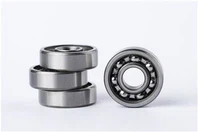
Hey there! As a supplier of Bearing 6203llu, I've seen my fair share of bearing failures. It can be a real pain in the neck when your bearings start acting up, but don't worry! I'm here to walk you through how to troubleshoot those pesky Bearing 6203llu failures.
First off, let's talk about what the Bearing 6203llu is. It's a type of small-sized ball bearing that's commonly used in various applications like small motors, conveyors, and even some handheld tools. You can find more info about it here Bearing 6203llu. When things go wrong with this bearing, it's usually due to a few common issues.
1. Lubrication Problems
One of the most common causes of bearing failure is improper lubrication. Bearings need the right amount of lubrication to reduce friction and prevent wear and tear. If you don't have enough lubricant, the bearing will heat up and the balls and races will start to wear out faster. On the other hand, if you have too much lubricant, it can cause overheating too, because the excess lubricant has to be churned around inside the bearing, which creates more friction.
To check if lubrication is the problem, first, look at the bearing. If it's dry and there are signs of metal-on-metal contact (like shiny, burnished areas), then it probably needs more lubricant. But if it's all gunked up with thick, old lubricant or there are oil leaks around the bearing, then you might have to clean it out and re - lubricate with the right type and amount of lubricant. You can find some Small Rollers with Bearings that come with proper lubrication here Small Rollers with Bearings.
2. Misalignment
Misalignment can also cause problems for your Bearing 6203llu. When a bearing is misaligned, it means that the inner and outer races aren't perfectly in line. This can happen if the bearings are installed incorrectly or if the housing they're in isn't machined properly. Misalignment puts extra stress on certain parts of the bearing, which can lead to uneven wear and premature failure.


To detect misalignment, you might notice a loud, abnormal noise coming from the bearing while it's running. You can also use a dial indicator to check the alignment of the shaft and the housing. If you find that there's misalignment, you'll have to realign the bearing and make sure the housing is in good shape. Sometimes, you might need to replace parts of the housing or use shims to get everything lined up correctly.
3. Contamination
Contamination is another biggie when it comes to bearing failures. Dust, dirt, water, and even tiny metal particles can get into the bearing and cause damage. These contaminants can scratch the bearing surfaces, making them rough and causing more friction.
If you suspect contamination, look for signs like dirt or rust on the bearing. If you work in a dirty environment, using a bearing with better seals can help keep contaminants out. You can also install additional protective covers or filters to prevent debris from getting in. In some cases, you might need to clean the bearing thoroughly with the right cleaning agents or even replace it if the damage is too severe. Also, keep in mind that some 20mm Roller Bearings are designed to be more resistant to contamination and they can be a good alternative if contamination is a recurring issue in your setup. Check them out here 20mm Roller Bearing.
4. Overloading
Overloading means that the bearing is being asked to carry more load than it's designed for. This can happen if you increase the load on the equipment without considering the bearing's capacity or if there's a sudden shock load. When a bearing is overloaded, the steel in the races and balls can deform, leading to cracking and failure.
To determine if overloading is the issue, look at the bearing for signs of deformation, like flattened balls or a distorted race. You may also notice that the bearing fails relatively quickly after an increase in load. If overloading is the problem, you'll have to either reduce the load or upgrade to a bearing with a higher load capacity.
Troubleshooting Steps
Let's go through a step - by - step process to troubleshoot Bearing 6203llu failures:
- Inspect: First, do a visual inspection of the bearing. Look for obvious signs of damage like cracks, wear, or discoloration. Check the lubrication level, seals, and the housing for any visible problems.
- Listen: While the equipment is running, listen to the sound. A normal - running bearing should have a smooth, quiet hum. Any loud, grinding, or squealing noises could indicate a problem.
- Measure: Use tools like a thermometer to check the temperature of the bearing. An unusually high temperature can be a sign of problems like improper lubrication or misalignment. You can also use a vibration analyzer to detect abnormal vibrations, which can help you pinpoint issues like misalignment or imbalance.
- Analyze: Based on your inspection, listening, and measuring, try to figure out what's causing the problem. Look at the clues you've found and match them up with the common failure modes we've discussed.
- Act: Once you've identified the problem, take the appropriate action. This could mean re - lubricating, realigning, cleaning, or replacing the bearing.
If you're still having trouble troubleshooting or if you need replacement bearings, don't hesitate to reach out. I can provide you with high - quality Bearing 6203llu that are sure to meet your needs. Whether you're in a small repair shop or a big industrial facility, we've got you covered. Contact us to discuss your requirements and start a procurement process.
References
- "Bearing Installation and Maintenance Handbook"
- "The Fundamentals of Mechanical Design for Bearings"
- Industry knowledge and experience in dealing with Bearing 6203llu
So, there you have it! By following these tips and steps, you should be able to troubleshoot most Bearing 6203llu failures. And if you need any more help or want to purchase top - notch bearings, just get in touch.