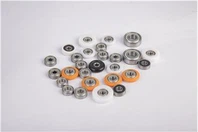
Hey there! If you're here, chances are you've got a worn - out 608 roller bearing that needs replacing. Well, you're in the right place. I'm from a 608 Roller Bearing supplier, and I'm gonna walk you through the whole process step by step.
First off, let's talk a bit about the 608 roller bearing. It's a super common type of bearing, widely used in all sorts of applications like skateboards, electric fans, and small motors. The "608" is a bearing code that tells you its size and specifications. You can check out more about it on our website 608 Roller Bearing.
Tools You'll Need
Before you start replacing the bearing, you need to gather the right tools. Here's what you'll need:
- A set of wrenches: You'll use these to remove any bolts or nuts holding the part with the bearing in place.
- A bearing puller: This is a must - have. It helps you safely and easily remove the old bearing from its housing.
- A new 608 roller bearing: Make sure you get a high - quality one. We offer a great selection of Mini Roller Bearings and Micro Roller Bearings, including the 608 type.
- A hammer and a punch: Sometimes, you might need these to gently tap the bearing into place or remove stubborn parts.
- A clean cloth and some lubricant: You'll use the cloth to clean the area around the bearing, and the lubricant to ensure smooth operation of the new bearing.
Step 1: Preparation
The first thing you gotta do is make sure you're working in a clean and safe environment. Clear the area of any debris or tools that you won't be using. Turn off and unplug any equipment that the bearing is part of. This is super important to avoid any accidents.
Next, take a good look at the bearing and the surrounding parts. Try to understand how the bearing is installed. Take a photo if you need to, so you can refer back to it later when you're putting the new bearing in.
Step 2: Removing the Old Bearing
Now it's time to get rid of the old bearing. If there are any bolts or nuts holding the part with the bearing, use your wrenches to remove them. Be careful not to lose any small parts.


Once the part is loose, use the bearing puller. Place the puller jaws around the outer race of the bearing. Make sure the puller is centered and secure. Then, turn the puller's screw slowly. As you turn, the puller will exert pressure on the bearing, and it should start to come out of its housing.
If the bearing is really stubborn and won't come out with the puller, you can use a hammer and a punch. But be really careful when doing this. Place the punch on the side of the bearing and gently tap it with the hammer. Keep tapping until the bearing starts to move.
Step 3: Cleaning the Housing
After you've removed the old bearing, you need to clean the bearing housing. Use the clean cloth to wipe away any dirt, grease, or debris. You can also use a little bit of solvent if there's a lot of gunk. Make sure the housing is completely dry before you install the new bearing.
Step 4: Installing the New Bearing
Now for the fun part - installing the new bearing. Take your new 608 roller bearing and make sure it's the right size and type. Check the markings on the bearing to confirm.
Before you put the bearing in, apply a thin layer of lubricant to the inside of the bearing housing. This will help the bearing slide in easily and also ensure smooth operation later on.
Place the new bearing in the housing. Make sure it's centered and sitting properly. You can use a socket or a piece of pipe that fits the inner race of the bearing to tap it into place. Use the hammer to gently tap the socket or pipe until the bearing is fully seated in the housing.
Step 5: Reassembling the Part
Once the new bearing is installed, it's time to put everything back together. If you removed any bolts or nuts earlier, use your wrenches to tighten them back up. Make sure they're tightened to the right torque, but don't over - tighten them.
Double - check that everything is in place and working smoothly. You can give the part a little spin to see if the bearing is rotating freely.
Tips and Tricks
- When using the bearing puller, make sure the jaws are firmly attached to the bearing. If they slip, you could damage the bearing or the housing.
- Don't use too much force when tapping the bearing in or out. You don't want to crack the bearing or damage the housing.
- If you're not sure about something, it's always a good idea to consult a professional or check the equipment's manual.
Why Choose Our Bearings?
As a 608 Roller Bearing supplier, we take pride in offering high - quality bearings. Our bearings are made from top - notch materials and are precision - engineered to ensure long - lasting performance. We have a wide range of Mini Roller Bearings and Micro Roller Bearings, including the popular 608 type.
Whether you're a DIY enthusiast or a professional mechanic, our bearings are the perfect choice for your replacement needs. We offer competitive prices and excellent customer service.
Contact Us for Purchasing
If you're interested in buying our 608 roller bearings or any other types of bearings, we'd love to hear from you. We can help you find the right bearing for your specific application and answer any questions you might have. Reach out to us, and let's start a conversation about your bearing needs.
References
- "Bearing Installation and Maintenance Guide", General Bearing Handbook
- "Miniature Bearings: Design and Application", Industry Research Report