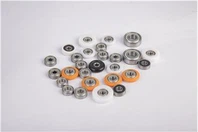
Replacing a damaged track bearing roller is a task that requires precision and knowledge. As a Track Bearing Roller [vendor], I've seen firsthand the importance of a well - functioning track bearing roller in various industrial applications. In this blog, I'll guide you through the process of replacing a damaged track bearing roller, from identifying the problem to completing the replacement.
Identifying a Damaged Track Bearing Roller
Before you can replace a track bearing roller, you need to confirm that it is indeed damaged. There are several signs that can indicate a problem with the track bearing roller. One of the most obvious signs is abnormal noise. If you hear grinding, clicking, or rattling sounds coming from the area where the track bearing roller is located, it could be a sign of damage. These noises are often caused by worn - out bearings, misaligned rollers, or debris in the bearing housing.
Another sign of a damaged track bearing roller is excessive vibration. When a roller is damaged, it can cause uneven movement along the track, leading to vibrations that can be felt in the equipment. You may also notice a decrease in the performance of the machinery. For example, if the equipment is moving more slowly than usual or is having difficulty maintaining a consistent speed, a damaged track bearing roller could be the culprit.
Visual inspection is also crucial. Look for signs of physical damage such as cracks, dents, or excessive wear on the roller surface. Check the bearing seals for signs of leakage, as this can indicate that the bearings are no longer properly lubricated. You can find more information about Track Bearing Roller on our website.
Preparing for the Replacement
Once you've identified a damaged track bearing roller, it's time to prepare for the replacement. First, gather all the necessary tools. You'll typically need a set of wrenches, a socket set, a hammer, a pry bar, and a torque wrench. Make sure the tools are in good condition and the right size for the job.
Safety is of utmost importance during this process. Wear appropriate personal protective equipment (PPE), including safety glasses, gloves, and steel - toed boots. If the equipment is large or heavy, consider using lifting equipment to safely remove and install the track bearing roller.
Before you start working on the equipment, make sure it is powered off and locked out to prevent accidental startup. This is a critical step to avoid any potential injuries.
Removing the Damaged Track Bearing Roller
The first step in removing the damaged track bearing roller is to locate the mounting bolts or fasteners. These are usually located on the sides or ends of the bearing housing. Use the appropriate wrench or socket to loosen and remove these bolts. Be careful not to drop the bolts, as they can be difficult to find if they fall into a hard - to - reach area.
Once the mounting bolts are removed, you can start to separate the bearing housing from the equipment. In some cases, the housing may be held in place by additional clips or brackets. Use a pry bar to gently loosen these components, taking care not to damage the surrounding parts.
After the housing is loose, you can remove the damaged track bearing roller. This may require some force, especially if the roller is stuck due to rust or debris. You can use a hammer to gently tap the roller out of its position. However, be careful not to damage the roller or the housing during this process.
Selecting the Right Replacement
Choosing the right replacement track bearing roller is crucial for the proper functioning of the equipment. You need to consider several factors, such as the size, load capacity, and speed rating of the roller. Refer to the equipment's manual or specifications to determine the exact requirements for the replacement roller.
At our company, we offer a wide range of Track Bearing Roller that are designed to meet various industrial needs. Our rollers are made from high - quality materials and are rigorously tested to ensure their performance and durability.
Installing the New Track Bearing Roller
Before installing the new track bearing roller, clean the bearing housing thoroughly to remove any dirt, debris, or old lubricant. Use a clean cloth and a suitable cleaning agent to ensure a clean surface.
Apply a thin layer of lubricant to the new roller and the bearing housing. This will help to reduce friction and ensure smooth operation. Carefully place the new roller into the housing, making sure it is properly aligned.
Reattach the bearing housing to the equipment and tighten the mounting bolts. Use a torque wrench to ensure that the bolts are tightened to the correct specification. Over - tightening or under - tightening the bolts can lead to premature failure of the roller or other components.
Testing the Replacement
After the new track bearing roller is installed, it's important to test the equipment to ensure that it is working properly. Power on the equipment and observe its operation. Listen for any abnormal noises or vibrations. Check the speed and performance of the machinery to make sure it is back to normal.
If you notice any issues during the test, stop the equipment immediately and re - check the installation. It's possible that the roller is not properly aligned or the bolts are not tightened correctly.
Maintenance Tips
To extend the lifespan of the new track bearing roller and prevent future damage, regular maintenance is essential. Keep the roller clean and well - lubricated. Check the mounting bolts periodically to ensure they are tight. Inspect the roller for signs of wear or damage on a regular basis.


If you have any questions or need further assistance with track bearing rollers, our team of experts is always ready to help. We can provide you with more information about our products and offer advice on installation and maintenance.
Conclusion
Replacing a damaged track bearing roller is a task that requires careful attention to detail. By following the steps outlined in this blog, you can ensure a successful replacement and keep your equipment running smoothly. At our company, we are committed to providing high - quality Track Bearing Roller and excellent customer service. If you're in need of a track bearing roller or have any questions about the replacement process, don't hesitate to contact us for a purchase negotiation.
References
- Industrial Machinery Maintenance Handbook
- Track Bearing Roller Manufacturer's Guides