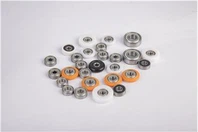
Hey there! I'm a supplier of Bearing 6311, and I know how crucial it is to keep these bearings in top - notch condition. Chemical corrosion can be a real headache for Bearing 6311, potentially leading to reduced performance and even premature failure. So, I'm here to share some practical tips on how to protect Bearing 6311 from chemical corrosion.
Understanding Chemical Corrosion in Bearing 6311
First off, let's get a grip on what chemical corrosion is in the context of Bearing 6311. Chemical corrosion happens when the bearing's metal surface reacts with chemicals in its environment. These chemicals can come from various sources, such as industrial contaminants, cleaning agents, and even the fluids used in the machinery where the bearing is installed.
Corrosion can cause several problems for Bearing 6311. It can roughen the bearing's surface, which increases friction. Higher friction means more heat generation, and that can lead to wear and tear on the bearing components. Over time, corrosion can also weaken the structural integrity of the bearing, making it more likely to fail.
Choosing the Right Material
One of the first steps in protecting Bearing 6311 from chemical corrosion is to choose the right material. Not all bearings are created equal, and some materials are more resistant to corrosion than others.
For Bearing 6311, stainless steel is a great option. Stainless steel contains chromium, which forms a passive oxide layer on the surface of the bearing. This layer acts as a barrier, preventing chemicals from reaching the underlying metal and causing corrosion. If you're operating in a highly corrosive environment, such as a chemical plant or a marine setting, stainless - steel Bearing 6311 can be a real game - changer. You can check out the Bearing 6311 on our website to see the available options in stainless steel.
Surface Treatments
Another effective way to protect Bearing 6311 from chemical corrosion is through surface treatments. There are several types of surface treatments that can enhance the bearing's corrosion resistance.
One common surface treatment is plating. For example, nickel plating can provide an extra layer of protection against corrosion. The nickel layer acts as a shield, preventing chemicals from coming into direct contact with the bearing's base metal. Zinc plating is also popular, especially in applications where cost - effectiveness is a key factor.
Coatings are another option. There are specialized anti - corrosion coatings available that can be applied to the surface of Bearing 6311. These coatings are designed to be highly resistant to a wide range of chemicals and can significantly extend the bearing's lifespan in corrosive environments.

Proper Lubrication
Lubrication isn't just about reducing friction; it can also play a vital role in protecting Bearing 6311 from chemical corrosion. A good lubricant forms a protective film on the bearing's surface, which helps to prevent chemicals from reaching the metal.
When choosing a lubricant for Bearing 6311 in a potentially corrosive environment, look for one that has anti - corrosion additives. These additives can neutralize the corrosive effects of chemicals and keep the bearing in good condition.
It's also important to maintain the right level of lubrication. Too little lubrication can expose the bearing to corrosion, while too much can lead to other problems, such as overheating. Regularly check the lubricant level and quality, and replace it as recommended by the manufacturer.
Environmental Control
Controlling the environment where Bearing 6311 operates is crucial for preventing chemical corrosion. If possible, try to keep the bearing away from sources of chemicals.
In industrial settings, proper ventilation is essential. Good ventilation can help to remove corrosive gases and fumes from the air, reducing the risk of corrosion. You can also use protective enclosures to shield the bearing from direct contact with chemicals.
If the bearing is exposed to water or other liquids, make sure to dry it thoroughly as soon as possible. Water can carry chemicals and accelerate the corrosion process. Using moisture - absorbing materials or desiccants in the bearing's vicinity can also help to keep the environment dry.
Regular Inspection and Maintenance
Regular inspection and maintenance are key to detecting and preventing chemical corrosion in Bearing 6311. Set up a schedule to inspect the bearing regularly for signs of corrosion, such as rust, pitting, or discoloration.
If you notice any signs of corrosion, take action immediately. You can clean the bearing using a non - corrosive cleaning agent and then apply a fresh layer of lubricant or anti - corrosion coating. In some cases, it may be necessary to replace the bearing if the corrosion is severe.
Keep a record of the bearing's condition and maintenance history. This can help you to identify trends and take proactive measures to prevent future corrosion problems.
Training and Education
Finally, make sure that the people who handle and maintain Bearing 6311 are properly trained. They should understand the importance of protecting the bearing from chemical corrosion and know how to implement the preventive measures we've discussed.
Provide training on topics such as proper lubrication, environmental control, and inspection techniques. This can help to ensure that everyone involved in the operation and maintenance of the bearing is on the same page when it comes to corrosion prevention.
By following these tips, you can significantly reduce the risk of chemical corrosion in Bearing 6311 and ensure that it operates smoothly and efficiently for a long time. If you're interested in purchasing high - quality Bearing 6311 or have any questions about corrosion protection, feel free to reach out. We're always here to help you find the best solutions for your needs.
References
- ASM Handbook Volume 13A: Corrosion: Fundamentals, Testing, and Protection.
- Machinery's Handbook, 30th Edition.