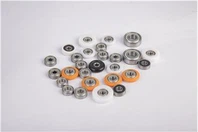
As a trusted supplier of Door Bearing Wheels, I understand the importance of anti - slip features in these components. Slip - resistant door bearing wheels not only enhance safety but also improve the overall performance and longevity of doors. In this blog, I will share some effective ways to make door bearing wheels anti - slip.
Understanding the Causes of Slippage
Before we delve into the solutions, it's crucial to understand why door bearing wheels might slip. One of the primary reasons is the smooth surface of the wheel and the track. When there is not enough friction between the two, the wheel can easily slide, especially under heavy loads or when the door is opened and closed frequently. Another factor could be the presence of contaminants such as dust, dirt, or moisture on the wheel or the track, which can reduce the coefficient of friction.
Surface Modification
One of the most straightforward ways to make door bearing wheels anti - slip is through surface modification. This can involve adding textures or patterns to the wheel's surface. For example, creating small grooves or ridges on the outer circumference of the wheel can increase the contact area with the track and improve friction.
There are different methods to achieve surface modification. One approach is mechanical machining. Using specialized tools, we can cut or engrave patterns on the wheel surface. This method is suitable for wheels made of materials like metal or hard plastics. Another option is chemical treatment. Some chemicals can be applied to the wheel surface to create a rough texture. However, it's important to ensure that the chemical treatment does not damage the wheel material or affect its mechanical properties.
Using Anti - Slip Coatings
Anti - slip coatings are another effective solution. These coatings are designed to increase the friction coefficient of the wheel surface. There are various types of anti - slip coatings available in the market, such as rubber - based coatings, epoxy - based coatings, and polyurethane - based coatings.
Rubber - based coatings are popular because they offer excellent grip and flexibility. They can be easily applied to the wheel surface using a brush or a spray gun. Epoxy - based coatings are known for their durability and chemical resistance. They can withstand harsh environmental conditions and heavy loads. Polyurethane - based coatings provide a good balance between grip and wear resistance.
When applying anti - slip coatings, it's essential to follow the manufacturer's instructions carefully. The surface of the wheel should be clean and dry before application to ensure proper adhesion. Multiple coats may be required to achieve the desired level of anti - slip performance.
Selecting the Right Material
The choice of material for door bearing wheels also plays a significant role in anti - slip performance. Some materials naturally have higher friction coefficients than others. For example, rubber wheels generally offer better grip compared to metal or plastic wheels. However, rubber wheels may have limitations in terms of load - bearing capacity and durability.
Composite materials can be a good alternative. They combine the advantages of different materials to achieve optimal anti - slip performance and mechanical properties. For instance, a wheel made of a composite material with a rubber outer layer and a metal core can provide both good grip and high load - bearing capacity.
Incorporating Traction - Enhancing Elements
In addition to surface modification and coatings, we can also incorporate traction - enhancing elements into the wheel design. For example, some door bearing wheels are equipped with small rubber pads or inserts on the contact surface. These pads increase the friction between the wheel and the track, reducing the risk of slippage.
Another option is to use wheels with a special tread design, similar to the tread on a tire. The tread pattern can channel away water, dust, and other contaminants, maintaining good contact between the wheel and the track even in less - than - ideal conditions.
Maintenance and Inspection
Proper maintenance and regular inspection are essential to ensure the long - term anti - slip performance of door bearing wheels. Regularly clean the wheels and the track to remove dirt, dust, and other contaminants. Use a mild detergent and a soft brush to avoid scratching the wheel surface.
Inspect the wheels for signs of wear and damage. If the anti - slip coating is worn off or the surface texture is damaged, it may be necessary to re - apply the coating or replace the wheel. Check the alignment of the wheels and the track to ensure that the wheels are rolling smoothly and evenly.
Applications and Benefits
Anti - slip door bearing wheels have a wide range of applications. They are commonly used in industrial doors, commercial doors, and residential doors. In industrial settings, where heavy loads are often involved, anti - slip wheels can prevent accidents and improve the efficiency of door operation. In commercial buildings, such as supermarkets and shopping malls, they enhance the safety of customers and employees. In residential applications, they provide peace of mind and ensure the smooth operation of doors.
The benefits of anti - slip door bearing wheels are not limited to safety. They also reduce wear and tear on the wheels and the track, extending their service life. This can result in cost savings in the long run by reducing the frequency of wheel replacement and maintenance.

Related Products
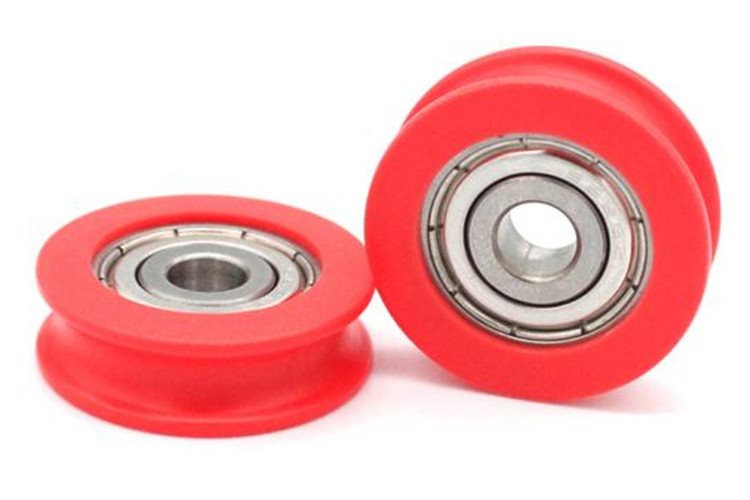
If you are interested in other related products, we also offer Industrial Roller Bearings, U Type Groove Pulley, and Paper Roller Bearing. These products are designed to meet the diverse needs of different industries and applications.
Contact for Purchase and Negotiation
If you are looking for high - quality anti - slip door bearing wheels or have any questions about our products, please feel free to contact us. We are committed to providing you with the best solutions and excellent customer service. Our team of experts is ready to assist you in selecting the right products for your specific requirements.
References
- "Handbook of Tribology: Materials, Coatings, and Surface Treatments" by Bharat Bhushan
- "Engineering Materials and Their Applications" by Donald Askeland and Pradeep Fulay
- "Industrial Door Design and Installation Guide" by various industry experts