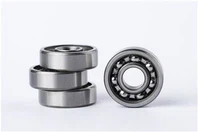
As a supplier of Bearing 6311, I understand the importance of correct installation for the optimal performance and longevity of this product. In this blog, I'll guide you through the step - by - step process of correctly installing Bearing 6311.
1. Preparation Before Installation
Before you start the installation process, it is crucial to ensure that you have all the necessary tools and a clean working environment. The tools typically required for installing Bearing 6311 include a suitable press, a micrometer for measuring the shaft and housing dimensions, a torque wrench, clean rags, and a container for cleaning solvents.
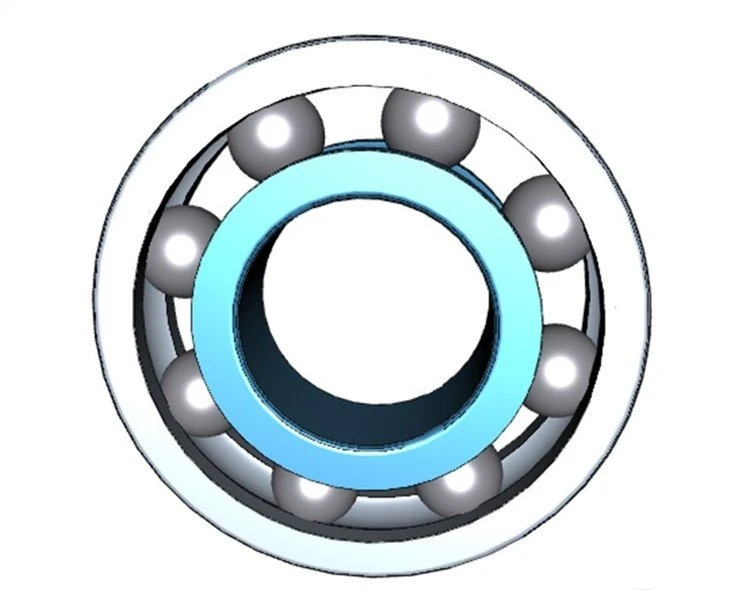
First, carefully inspect the Bearing 6311 Bearing 6311 itself. Check for any visible damage such as scratches, dents, or corrosion on the outer and inner races, balls, and cage. A damaged bearing should not be installed as it can lead to premature failure.
Measure the shaft and housing dimensions. The shaft diameter should match the inner diameter of the bearing within the specified tolerance range. Similarly, the housing bore diameter should be compatible with the outer diameter of the bearing. Any deviation from the recommended dimensions can cause problems such as excessive clearance or interference, which can affect the bearing's performance.
Clean the shaft and housing thoroughly. Use a suitable cleaning solvent to remove any dirt, grease, or debris. After cleaning, dry them with a clean rag. Make sure that no particles are left behind as they can cause abrasion and damage to the bearing during operation.
2. Mounting the Bearing on the Shaft
There are two main methods for mounting Bearing 6311 on the shaft: the press - fit method and the heat - fit method.
Press - Fit Method
The press - fit method is suitable when the interference between the bearing inner race and the shaft is relatively small. First, apply a thin layer of clean lubricant on the shaft surface. This will reduce friction during the installation process and prevent damage to the bearing and the shaft.
Place the bearing on the shaft so that it is centered. Use a press to apply a uniform force on the inner race of the bearing. The force should be applied axially and evenly to avoid tilting the bearing. Keep applying the force until the bearing is fully seated on the shaft. Make sure that the bearing is installed up to the shoulder of the shaft.
Heat - Fit Method
The heat - fit method is used when the interference between the bearing inner race and the shaft is large. First, heat the bearing to a suitable temperature. The recommended heating temperature for Bearing 6311 is usually between 80 - 120°C. You can use an induction heater or an oil bath for heating.
When heating the bearing in an oil bath, make sure that the oil is clean and free from contaminants. Immerse the bearing in the oil and heat it slowly to the desired temperature. Use a thermometer to monitor the temperature. Once the bearing reaches the appropriate temperature, remove it from the oil bath with a pair of tongs.
Quickly place the heated bearing on the shaft. Since the bearing has expanded due to heating, it can be easily installed on the shaft. Make sure that it is centered and push it up to the shoulder of the shaft. As the bearing cools down, it will contract and fit tightly on the shaft.
3. Installing the Bearing in the Housing
Similar to mounting on the shaft, you need to consider the interference between the bearing outer race and the housing bore.
If the interference is small, you can use the press - fit method. Apply a thin layer of lubricant on the outer surface of the bearing and the housing bore. Place the bearing in the housing and use a press to apply a uniform force on the outer race of the bearing. Push the bearing until it is fully seated in the housing.
For larger interference, the heat - fit method can be used. In this case, heat the housing instead of the bearing. Heat the housing to a suitable temperature, usually around 80 - 120°C. Once the housing has expanded, quickly insert the bearing into the housing. As the housing cools down, it will contract and hold the bearing tightly.

4. Alignment and Assembly
After mounting the bearing on the shaft and in the housing, it is essential to ensure proper alignment. Misalignment can cause uneven loading on the bearing, which can lead to premature failure.
Use alignment tools such as dial indicators to check the alignment of the shaft and the housing. Make any necessary adjustments to ensure that they are in line.
Once the alignment is correct, assemble the other components of the machine. This may include gears, pulleys, or other rotating parts. Make sure that all the components are installed correctly and tightened to the specified torque using a torque wrench.
5. Lubrication
Proper lubrication is crucial for the smooth operation and long - term performance of Bearing 6311. There are two main types of lubricants: grease and oil.
Grease Lubrication
Grease lubrication is commonly used for Bearing 6311 in many applications. Select a high - quality grease that is suitable for the operating conditions. The grease should have good anti - wear, anti - corrosion, and high - temperature properties.
Before installing the bearing, fill the bearing with the appropriate amount of grease. The amount of grease depends on the size of the bearing and the application. Usually, about 30 - 50% of the bearing's internal space should be filled with grease.
After installation, apply a thin layer of grease on the outer surface of the bearing and in the housing. This will provide additional protection and lubrication.
Oil Lubrication
Oil lubrication is used in applications where high - speed operation or high - temperature conditions are present. Select an oil with the appropriate viscosity. The viscosity of the oil should be chosen based on the operating speed, load, and temperature of the bearing.
Use an oil - circulation system to supply oil to the bearing continuously. The oil should be filtered to remove any contaminants. Make sure that the oil level is maintained at the correct level to ensure proper lubrication.
6. Post - Installation Checks
After installing Bearing 6311, perform a series of post - installation checks to ensure that it is installed correctly.
First, check the axial and radial clearances of the bearing. Use a clearance gauge to measure the clearances. The clearances should be within the specified range. If the clearances are too large or too small, it may indicate a problem with the installation.
Rotate the shaft by hand. The rotation should be smooth and free from any noise or resistance. If you feel any roughness or hear abnormal noises, it may mean that the bearing is not installed correctly or there is damage to the bearing.
Check the temperature of the bearing during operation. Use an infrared thermometer to measure the temperature. If the temperature is too high, it may indicate over - loading, improper lubrication, or misalignment.
7. Maintenance and Troubleshooting
Proper maintenance is essential for the long - term performance of Bearing 6311. Regularly check the lubricant level and condition. Replace the lubricant at the recommended intervals.
Inspect the bearing for any signs of wear, damage, or corrosion. If you notice any problems, take appropriate measures such as replacing the bearing or adjusting the operating conditions.
In case of troubleshooting, if the bearing fails prematurely, analyze the possible causes. Common causes of bearing failure include improper installation, over - loading, insufficient lubrication, and contamination. By identifying the cause, you can take steps to prevent similar problems in the future.
Conclusion
Correct installation of Bearing 6311 is crucial for its optimal performance and longevity. By following the steps outlined in this blog, you can ensure that the bearing is installed correctly and operates smoothly. As a supplier of Bearing 6311, we are committed to providing high - quality products and technical support. If you have any questions or need further assistance with the installation or maintenance of Bearing 6311, please feel free to contact us for procurement and technical discussions. We look forward to working with you to meet your bearing needs.
References
- "Rolling Bearing Analysis" by Tedric A. Harris
- Manufacturer's installation and maintenance manual for Bearing 6311