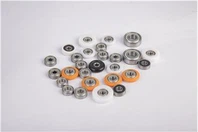
As a dedicated supplier of Small Bearings, I've witnessed firsthand the critical role these miniature yet mighty components play in various industries. Small bearings are indispensable in countless applications, from the precision mechanisms of watches to the high - speed operations of small motors. Enhancing their performance isn't just about making them work better; it's about ensuring the efficiency and reliability of the entire system they're a part of.
Understanding Small Bearings
Before delving into how to improve their performance, it's essential to understand the characteristics of small bearings. These bearings are designed to handle specific loads and speeds within limited spaces. They typically have a smaller bore diameter, outer diameter, and width compared to standard - sized bearings. The most common types of small bearings include ball bearings, which are excellent for high - speed applications with light to medium loads, and needle roller bearings, which are suitable for applications with high radial loads.
Selecting the Right Bearing
One of the most crucial steps in improving the performance of small bearings is choosing the correct type for the specific application. Consider the following factors:
- Load Requirements: Determine whether the application requires a bearing that can handle radial loads, axial loads, or a combination of both. For example, if the load is primarily radial, a Bearing 6001ZZ might be a suitable choice. This type of bearing has a reliable design that can support significant radial forces while running at relatively high speeds.
- Speed: High - speed applications demand bearings with low friction and excellent heat dissipation properties. Bearings with ceramic balls can be a great option as they have lower density and better heat resistance compared to steel balls, reducing the risk of premature wear at high rotational speeds.
- Environment: If the bearing is to be used in a harsh environment, such as one with high humidity, dust, or chemicals, it's important to select a bearing with appropriate sealing and corrosion - resistant materials. For instance, a bearing with a double - shielded or sealed design can prevent contaminants from entering and damaging the bearing.
Proper Installation
Even the highest - quality small bearings can fail to perform optimally if not installed correctly. Here are some key installation tips:
- Cleanliness: Before installation, ensure that both the bearing and the mating components are clean. Any dirt, debris, or metal shavings can cause premature wear and reduce the bearing's lifespan. Use a suitable cleaning agent and a lint - free cloth to clean the parts thoroughly.
- Correct Tools: Use the appropriate tools for installation to avoid damaging the bearing. Press - fitting is a common method, but it should be done evenly and with the right amount of force. Avoid hammering directly on the bearing, as this can cause internal damage.
- Alignment: Proper alignment of the bearing with the shaft and housing is crucial. Misalignment can lead to uneven loading, increased friction, and premature failure. Use alignment tools and follow the manufacturer's specifications to ensure accurate alignment.
Adequate Lubrication
Lubrication is a vital factor in improving the performance of small bearings. It reduces friction, dissipates heat, and protects the bearing from corrosion and wear.
- Lubricant Type: There are different types of lubricants available, such as grease and oil. Grease is commonly used for small bearings as it is easier to apply and can provide long - term lubrication. However, the choice of lubricant depends on the application requirements. For high - speed applications, a low - viscosity oil might be more suitable.
- Lubrication Quantity: Applying the right amount of lubricant is essential. Too little lubrication can lead to increased friction and wear, while too much can cause overheating and energy losses. Refer to the manufacturer's guidelines to determine the appropriate lubrication quantity.
- Re - lubrication Schedule: Establish a regular re - lubrication schedule based on the operating conditions of the bearing. Factors such as speed, load, and temperature can affect the lubricant's performance over time. For example, in high - temperature applications, the lubricant may break down more quickly, requiring more frequent re - lubrication.
Monitoring and Maintenance
Regular monitoring and maintenance are key to ensuring the long - term performance of small bearings.
- Vibration Analysis: Monitor the vibration levels of the equipment to detect any signs of bearing problems early. An increase in vibration can indicate issues such as misalignment, imbalance, or worn - out bearings. Use vibration sensors and analysis software to track the vibration patterns over time.
- Temperature Monitoring: Keep an eye on the bearing's operating temperature. A significant increase in temperature can be a sign of excessive friction, inadequate lubrication, or other problems. Use temperature sensors to monitor the temperature and take corrective actions if necessary.
- Inspection: Periodically inspect the bearings for signs of wear, such as pitting, scoring, or discoloration. Replace any damaged or worn - out bearings promptly to prevent further damage to the equipment.
Bearing Material and Heat Treatment
The material used in small bearings and its heat treatment process can significantly impact performance. High - quality steel alloys are commonly used for small bearings due to their good strength and toughness. Additionally, advanced heat treatment processes can enhance the hardness, wear resistance, and fatigue life of the bearings.


For example, through - hardening can be used to increase the overall hardness of the bearing, while induction hardening can selectively harden specific areas, improving the bearing's performance under different loading conditions. Manufacturers are constantly researching and developing new materials and heat treatment methods to further improve the performance of small bearings.
Advanced Design Features
Some small bearings come with advanced design features that can enhance their performance. For instance, some bearings have optimized internal geometries, such as modified ball profiles or cage designs, which can reduce friction and improve load distribution.
Another example is the use of hybrid bearings, which combine ceramic balls with steel races. Hybrid bearings offer several advantages, including lower friction, higher speed capabilities, and better resistance to wear and corrosion. These advanced design features can provide a competitive edge in applications where high performance is required.
Conclusion
Improving the performance of small bearings involves a comprehensive approach that includes proper selection, installation, lubrication, monitoring, and maintenance. By understanding the specific requirements of the application and following the best practices outlined above, you can ensure that your small bearings operate at their peak efficiency and reliability.
As a supplier of Small Bearings, I'm committed to providing high - quality products and expert advice to help you optimize the performance of your bearings. If you're looking for reliable small bearings or have any questions about bearing performance, feel free to contact us for a procurement discussion. We're here to work with you to find the best solutions for your specific needs.
References
- Harris, T. A., & Kotzalas, M. N. (2007). Rolling Bearing Analysis. John Wiley & Sons.
- Zoroufi, R., & Khonsari, M. M. (2007). Fundamentals of Machine Elements. CRC Press.