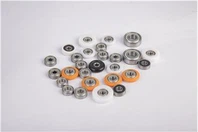
Hey there! As a supplier of Pulley Bearings, I've dealt with my fair share of warranty claims. It can be a bit of a headache, but with the right approach, it doesn't have to be. In this blog, I'll share some tips on how to handle pulley bearing warranty claims like a pro.
Understanding the Warranty Policy
First things first, you need to have a clear understanding of your warranty policy. This is the foundation of how you'll handle any claims. Your warranty should clearly state what's covered, for how long, and under what conditions. For example, is it a limited warranty that only covers manufacturing defects, or does it also include normal wear and tear within a certain period?
It's important to communicate this policy clearly to your customers from the start. Make sure they know what to expect and what steps they need to take if they encounter an issue. This can prevent a lot of misunderstandings down the line.
Receiving the Claim
When a customer contacts you with a warranty claim, the first step is to listen. Really listen to their concerns. Let them explain what's going on with the pulley bearing. Sometimes, just giving them a chance to vent can go a long way in defusing the situation.
Ask them for as much detail as possible. When did the problem start? What kind of symptoms are they experiencing? Do they have any photos or videos that can help you diagnose the issue? This information will be crucial in determining whether the claim is valid and what the next steps should be.
Evaluating the Claim
Once you have all the necessary information, it's time to evaluate the claim. Check if the issue falls within the scope of your warranty policy. If it's a manufacturing defect, it's usually a no - brainer that you'll honor the claim. But if it's due to improper installation, misuse, or normal wear and tear outside of the warranty period, you'll need to handle it differently.
In some cases, you might need to ask the customer to send the faulty bearing back to you for inspection. This can help you confirm the root cause of the problem. It's also a good idea to keep a record of all claims, including the customer's details, the issue, and your evaluation. This can be useful for future reference and for identifying any patterns or recurring problems.


Resolving the Claim
If the claim is valid, it's time to resolve it. There are several ways you can do this:
- Replace the Bearing: This is the most common solution. Send the customer a new pulley bearing at no cost to them. Make sure to include clear instructions on how to install it properly to avoid future issues.
- Refund: If the customer doesn't want a replacement, you can offer them a refund. This is usually the case if they've decided to switch to a different product or supplier.
- Repair: In some situations, it might be possible to repair the bearing instead of replacing it. This can be a more cost - effective solution for both you and the customer.
Throughout the resolution process, keep the customer informed. Let them know what steps you're taking and when they can expect a resolution. Good communication is key to maintaining a positive relationship with your customers.
Dealing with Invalid Claims
Not all claims are going to be valid. When you encounter an invalid claim, it's important to handle it tactfully. Explain to the customer why the claim doesn't meet the criteria of your warranty policy. Be polite but firm.
Offer them some alternative solutions if possible. For example, you could offer to sell them a new bearing at a discounted price or provide some advice on how to fix the issue on their own. This can help turn a potentially negative situation into a positive one.
Preventing Future Claims
One of the best ways to deal with warranty claims is to prevent them from happening in the first place. Here are some tips:
- Quality Control: Make sure your pulley bearings are of high quality. Conduct thorough inspections during the manufacturing process to catch any potential issues before they reach the customer.
- Installation Guides: Provide clear and detailed installation guides with every bearing you sell. This can help customers install the bearings correctly, reducing the risk of problems caused by improper installation.
- Customer Education: Educate your customers about the proper use and maintenance of your pulley bearings. This can include things like regular lubrication, cleaning, and inspection.
Examples of Our Products
We offer a wide range of pulley bearings to meet different needs. For instance, our Sliding Gate Roller Bearings are designed to provide smooth and reliable operation for sliding gates. They're built to last, but in case you encounter any issues, our warranty policy has got you covered.
Our Paper Roller Bearing is another popular product. It's specifically designed for use in paper - handling equipment, ensuring efficient and trouble - free operation.
And if you're looking for bearings for your garage door, our 6200zz Garage Door Rollers are a great choice. They're durable and can withstand the constant opening and closing of garage doors.
Conclusion
Handling pulley bearing warranty claims doesn't have to be a nightmare. By having a clear warranty policy, listening to your customers, evaluating claims carefully, and resolving them in a timely and fair manner, you can turn a potentially negative situation into an opportunity to build a stronger relationship with your customers.
If you're interested in our pulley bearings or have any questions about our products or warranty policy, don't hesitate to reach out. We're always here to help you find the right solution for your needs.
References
- General knowledge and experience in the pulley bearing industry.
- Industry best practices for handling warranty claims.