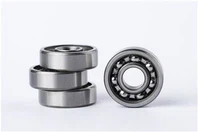
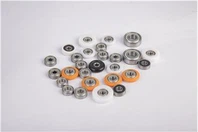
Hey there! As a door bearings supplier, I often get asked the question: "How often should door bearings be replaced?" It's a great question, and the answer isn't always straightforward. In this blog post, I'll break down the factors that affect the lifespan of door bearings and give you some guidelines on when to replace them.
Factors Affecting the Lifespan of Door Bearings
Usage Frequency
One of the biggest factors that determine how often you need to replace door bearings is how often the door is used. If you have a door that's opened and closed multiple times a day, like the front door of a busy office or a retail store, the bearings will wear out faster compared to a door that's rarely used, such as a storage closet door.
For high - traffic doors, the constant movement puts a lot of stress on the bearings. Every time the door opens and closes, the bearings have to support the weight of the door and allow it to move smoothly. Over time, this repeated stress can cause the bearings to wear down, lose their lubrication, and eventually fail.
Weight of the Door
The weight of the door also plays a crucial role. Heavier doors, like solid wood or metal doors, put more pressure on the bearings. The bearings have to work harder to support the extra weight, which can lead to faster wear and tear. For example, a large, industrial - style metal door will require more robust bearings, and even with good - quality bearings, they may need to be replaced more frequently than those on a lightweight interior door.


Environmental Conditions
The environment where the door is located can have a significant impact on the lifespan of the bearings. If the door is exposed to harsh elements such as extreme temperatures, high humidity, or corrosive substances, the bearings will deteriorate more quickly.
In a coastal area, where the air is salty, the bearings can rust and corrode. High humidity can also cause moisture to accumulate inside the bearings, leading to rust and reduced performance. On the other hand, in extremely cold temperatures, the lubricants in the bearings can thicken, making the door harder to open and close and increasing the wear on the bearings.
Quality of the Bearings
Not all door bearings are created equal. Higher - quality bearings are typically made from better materials and are designed to last longer. They often have better lubrication and more precise manufacturing, which means they can withstand more stress and wear.
When you invest in high - quality Door Bearings, you may be able to go longer between replacements. However, even high - quality bearings will eventually wear out, especially under heavy use or in harsh environments.
General Guidelines for Replacement
Low - Traffic Interior Doors
For interior doors in a residential setting that are used infrequently, like a guest bedroom or a linen closet door, the bearings can last a very long time. You may not need to replace them for 10 to 15 years, or even longer in some cases. These doors usually have lightweight construction and are not exposed to extreme environmental conditions, so the bearings don't experience as much stress.
High - Traffic Interior Doors
In a home, high - traffic interior doors such as the ones leading to the living room or kitchen are used multiple times a day. For these doors, you should start checking the bearings for wear every 3 to 5 years. If you notice any signs of wear, like squeaking, grinding, or difficulty opening and closing the door, it may be time to replace the bearings.
Commercial and Industrial Doors
Commercial and industrial doors are subject to much heavier use. In a busy office building, the front door may be opened and closed hundreds of times a day. For these high - traffic commercial doors, bearings should be inspected every 1 to 2 years. Depending on the usage and the condition of the bearings, they may need to be replaced every 2 to 5 years.
Industrial doors, especially those in manufacturing plants or warehouses, are often very heavy and are used constantly. These doors may require bearing replacement every 1 to 3 years, depending on the specific application and the quality of the bearings.
Signs That It's Time to Replace Door Bearings
Squeaking or Grinding Noises
One of the most obvious signs that the bearings are wearing out is when you start to hear squeaking or grinding noises when you open or close the door. These noises are usually caused by the lack of lubrication or the presence of worn - out parts in the bearings. If you hear these noises, it's a good idea to check the bearings and consider replacing them.
Difficulty Opening or Closing the Door
If the door becomes harder to open or close, it could be a sign that the bearings are failing. The bearings may be binding or not allowing the door to move smoothly on its track. This can be due to wear, damage, or lack of lubrication.
Visible Wear or Damage
If you can see visible signs of wear on the bearings, such as cracks, chips, or excessive rust, it's definitely time to replace them. You can usually inspect the bearings by removing the door or looking at them through an access panel.
Choosing the Right Door Bearings
When it comes to choosing door bearings, there are several options available. Roller Bearings for Drawers are a popular choice for many types of doors. They are designed to provide smooth movement and can handle a certain amount of weight. These bearings are often used in sliding doors and some types of interior doors.
Small Plastic Roller Wheels are another option, especially for lightweight doors. They are cost - effective and can work well in low - traffic applications. However, they may not be as durable as other types of bearings, especially in high - stress situations.
It's important to choose the right type of bearing based on the weight of the door, the frequency of use, and the environmental conditions. If you're not sure which type of bearing is best for your door, feel free to reach out to us. We're here to help you make the right choice.
Conclusion
So, how often should door bearings be replaced? It depends on a variety of factors, including usage frequency, door weight, environmental conditions, and the quality of the bearings. By keeping an eye out for signs of wear and following the general guidelines I've provided, you can ensure that your doors operate smoothly and safely.
If you're in the market for new door bearings or need advice on bearing replacement, don't hesitate to contact us. We're a trusted door bearings supplier, and we have a wide range of high - quality bearings to meet your needs. Whether you're a homeowner looking to replace the bearings on your interior doors or a business owner in need of industrial - strength bearings, we can help. Let's get your doors back in top shape!
References
- "Door Hardware Handbook" - A comprehensive guide on door components and maintenance.
- Industry research on the performance and lifespan of different types of door bearings.