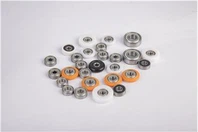
Roller bearings are crucial components in various industrial applications, from automotive engines to heavy - duty machinery. The performance of these bearings is influenced by multiple factors, and one of the most significant is the material used for the raceways. As a reputable roller bearings supplier, I've witnessed firsthand how different raceway materials can have a profound impact on bearing performance. In this blog, we'll delve into the details of how raceway materials affect roller bearing performance.
1. Material Hardness and Wear Resistance
The hardness of the raceway material is a key determinant of a roller bearing's wear resistance. Harder materials are generally more resistant to wear, as they can withstand the high - contact stresses generated during the operation of the bearing. For instance, high - carbon chromium steels are commonly used in roller bearing raceways. These steels are heat - treated to achieve a high level of hardness, which allows them to resist the abrasion caused by the rolling motion of the rollers.
In contrast, if a softer material is used for the raceway, it will wear out more quickly. This can lead to an increase in the clearance between the rollers and the raceway, resulting in reduced precision and increased vibration. For example, in applications where the bearing is subjected to heavy loads or high - speed operation, a softer raceway material may not be able to withstand the stress, leading to premature failure.
2. Fatigue Life
Another important aspect affected by raceway materials is the fatigue life of the roller bearing. Fatigue failure occurs when the material of the raceway is subjected to repeated cyclic loading. The ability of the raceway material to resist fatigue cracking is crucial for the long - term performance of the bearing.
Materials with high - quality microstructures, such as those produced through advanced manufacturing processes, tend to have better fatigue resistance. For example, some specialty steels with fine - grained microstructures can distribute the stress more evenly, reducing the likelihood of fatigue cracking. In addition, the presence of impurities or defects in the raceway material can significantly reduce its fatigue life. As a roller bearings supplier, we ensure that the materials we use for our raceways are of high purity and have a uniform microstructure to maximize the fatigue life of our bearings.
3. Corrosion Resistance
In many industrial environments, roller bearings are exposed to corrosive substances such as water, chemicals, or salt. The corrosion resistance of the raceway material is therefore an important consideration. Stainless steels are often used in applications where corrosion resistance is required. These steels contain chromium, which forms a passive oxide layer on the surface of the material, protecting it from corrosion.
If a non - corrosion - resistant material is used for the raceway in a corrosive environment, the surface of the raceway can be damaged by corrosion. This can lead to pitting, which can in turn cause the rollers to experience uneven loading and increased friction. For example, in marine applications or in the food and beverage industry, where the bearings are exposed to water or chemicals, corrosion - resistant raceway materials are essential. We offer a range of bearings with stainless - steel raceways for such applications, ensuring that our customers' bearings can operate reliably in corrosive environments.
4. Thermal Conductivity
The thermal conductivity of the raceway material can also affect roller bearing performance. During operation, heat is generated in the bearing due to friction between the rollers and the raceway. If the raceway material has poor thermal conductivity, the heat will accumulate in the bearing, leading to an increase in temperature.
High temperatures can have several negative effects on the bearing. It can cause the material to expand, which can change the clearance between the rollers and the raceway. In addition, high temperatures can accelerate the wear of the bearing and reduce its lubrication effectiveness. Materials with good thermal conductivity, such as copper - based alloys, can help to dissipate the heat more efficiently, keeping the bearing at a lower temperature and improving its performance.

5. Lubrication Compatibility
The compatibility between the raceway material and the lubricant used in the roller bearing is also important. Different lubricants have different chemical properties, and they can react differently with various raceway materials.
For example, some lubricants may contain additives that can react with certain metals in the raceway material, causing corrosion or other forms of damage. As a roller bearings supplier, we take into account the lubrication requirements of different applications and ensure that the raceway materials we use are compatible with the recommended lubricants. This helps to ensure that the bearing can operate smoothly and efficiently, with reduced friction and wear.
6. Specific Applications and Material Selection
Different applications require different raceway materials based on their specific requirements.
- Automotive Applications: In automotive engines, roller bearings are subjected to high - speed operation and varying loads. High - carbon chromium steels are commonly used for the raceways in automotive bearings due to their excellent combination of hardness, fatigue resistance, and affordability. For example, the bearings used in the crankshaft and camshaft of an engine need to have high precision and long - term reliability, and high - carbon chromium steel raceways can meet these requirements.
- Aerospace Applications: In aerospace applications, weight is a critical factor. Titanium alloys are often used for raceways in some aerospace bearings because of their high strength - to - weight ratio. These alloys can also withstand high temperatures and have good corrosion resistance, making them suitable for the demanding conditions in aerospace applications.
- Medical Equipment: In medical equipment, such as surgical robots or imaging devices, the bearings need to be highly precise and clean. Ceramic materials are sometimes used for the raceways in these applications because they are non - magnetic, have low friction, and are resistant to corrosion. They also have excellent wear resistance, which is important for the long - term performance of the equipment.
7. Our Product Range and Material Options
As a roller bearings supplier, we offer a wide range of bearings with different raceway materials to meet the diverse needs of our customers.
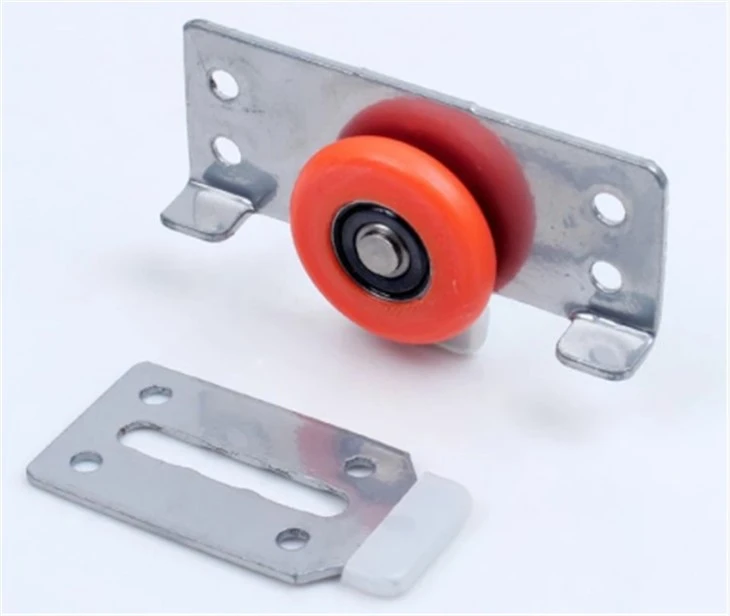
- 6200zz Garage Door Rollers: Our 6200zz Garage Door Rollers are made with high - quality raceway materials that are designed to withstand the repeated opening and closing of garage doors. The raceway material provides good wear resistance and corrosion resistance, ensuring a long service life for the rollers.
- Bearing 6200: Our Bearing 6200 is a popular choice for many industrial applications. It is available with different raceway materials, including high - carbon chromium steel and stainless steel, depending on the specific requirements of the application.
- Micro Roller Bearings: Our Micro Roller Bearings are designed for applications where space is limited. These bearings use advanced materials for the raceways to ensure high precision and reliable performance in small - scale applications.
Conclusion
In conclusion, the choice of raceway material has a significant impact on the performance of roller bearings. From wear resistance and fatigue life to corrosion resistance and thermal conductivity, every aspect of the bearing's performance is influenced by the material of the raceway. As a roller bearings supplier, we understand the importance of using the right materials for different applications. We are committed to providing our customers with high - quality bearings that are designed to meet their specific needs.
If you are in need of roller bearings for your application, we invite you to contact us for procurement and further discussions. Our team of experts can help you select the most suitable bearings based on your requirements.
References
- Harris, T. A., & Kotzalas, M. N. (2007). Rolling Bearing Analysis. Wiley.
- Gupta, P. K. (2002). Ball and Roller Bearing Engineering. CRC Press.
- Schmid, S. R. (2009). Handbook of Bearing Design and Application. McGraw - Hill.