Can Bearing 6200 be used in a vacuum environment?
As a supplier of Bearing 6200, I often receive inquiries from customers about the suitability of our products in various environments. One question that comes up frequently is whether Bearing 6200 can be used in a vacuum environment. In this blog post, I will explore this topic in detail and provide some insights based on my experience in the bearing industry.
Understanding the Basics of Bearing 6200
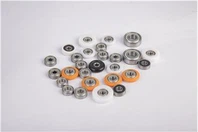
Before we delve into the question of using Bearing 6200 in a vacuum environment, let's first understand what Bearing 6200 is. Bearing 6200 is a type of deep groove ball bearing, which is one of the most common types of bearings used in various applications. It consists of an inner ring, an outer ring, a set of balls, and a cage that holds the balls in place. The deep groove design of the bearing allows it to accommodate both radial and axial loads, making it suitable for a wide range of applications.
The dimensions of Bearing 6200 are standardized, with a bore diameter of 10 mm, an outer diameter of 30 mm, and a width of 9 mm. It is widely used in small machinery, electric motors, and other equipment where compact size and high performance are required. You can find more information about Bearing 6200 on our website Bearing 6200.
Challenges of Using Bearings in a Vacuum Environment
A vacuum environment presents several challenges for bearings. Here are some of the key issues that need to be considered:
Lubrication
In a normal environment, bearings are lubricated with oil or grease to reduce friction and wear. However, in a vacuum environment, traditional lubricants can evaporate or outgas, which can contaminate the vacuum system and reduce the performance of the bearing. Outgassing is the release of gases from a solid or liquid material when it is placed in a vacuum. This can cause problems such as the formation of a thin film on the bearing surfaces, which can increase friction and wear.
Material Compatibility
The materials used in bearings need to be compatible with the vacuum environment. Some materials may react with the residual gases in the vacuum or outgas themselves, which can affect the performance and reliability of the bearing. For example, certain plastics or elastomers may not be suitable for use in a vacuum due to their high outgassing rates.
Heat Dissipation
In a vacuum, there is no air to conduct heat away from the bearing. This means that the heat generated by the bearing during operation can build up quickly, leading to increased temperatures and potential damage to the bearing. Effective heat dissipation mechanisms need to be in place to ensure the proper functioning of the bearing in a vacuum environment.
Can Bearing 6200 be Used in a Vacuum Environment?
The answer to this question depends on several factors, including the specific requirements of the vacuum application and the modifications that can be made to the bearing.
Standard Bearing 6200
In its standard form, Bearing 6200 is not designed for use in a vacuum environment. The lubricants used in standard bearings are not suitable for vacuum applications, and the materials may outgas or react with the residual gases in the vacuum. Therefore, using a standard Bearing 6200 in a vacuum environment is likely to result in poor performance, increased wear, and potential failure of the bearing.
Modified Bearing 6200
However, it is possible to modify Bearing 6200 to make it suitable for use in a vacuum environment. Here are some of the modifications that can be made:
Special Lubricants
There are special lubricants available that are designed for use in vacuum environments. These lubricants have low outgassing rates and are able to maintain their lubricating properties in a vacuum. By using a special lubricant, the friction and wear of the bearing can be reduced, and the performance and reliability of the bearing can be improved.
Material Selection
The materials used in the bearing can also be selected to minimize outgassing and ensure compatibility with the vacuum environment. For example, stainless steel is a common material used in vacuum bearings due to its low outgassing rate and good corrosion resistance. The cage material can also be chosen carefully to avoid outgassing and ensure proper functioning of the bearing.
Heat Dissipation
To address the issue of heat dissipation, additional heat dissipation mechanisms can be incorporated into the bearing design. For example, heat pipes or cooling fins can be used to transfer the heat away from the bearing and maintain a stable operating temperature.
Other Considerations
In addition to the modifications mentioned above, there are other considerations that need to be taken into account when using Bearing 6200 in a vacuum environment.
Vacuum Level
The level of vacuum in the application is an important factor to consider. Different vacuum levels have different requirements for bearing performance and compatibility. For example, a high-vacuum environment may require more stringent modifications to the bearing compared to a low-vacuum environment.


Operating Conditions
The operating conditions of the bearing, such as the load, speed, and temperature, also need to be considered. These factors can affect the performance and reliability of the bearing in a vacuum environment. For example, high loads and speeds can generate more heat, which needs to be dissipated effectively to prevent damage to the bearing.
Alternative Bearings
If the modifications required to make Bearing 6200 suitable for a vacuum environment are too complex or costly, there are alternative bearings that may be more suitable for the application. For example, Small Bearings such as Bearing 6001ZZ may be designed specifically for use in vacuum applications and may offer better performance and reliability.
Conclusion
In conclusion, while a standard Bearing 6200 is not suitable for use in a vacuum environment, it is possible to modify it to make it suitable. By using special lubricants, selecting appropriate materials, and incorporating effective heat dissipation mechanisms, Bearing 6200 can be used in a vacuum environment with improved performance and reliability. However, it is important to consider the specific requirements of the vacuum application and consult with a bearing expert before making a decision.
If you are interested in using Bearing 6200 or other bearings in a vacuum environment, please feel free to contact us for more information. Our team of experts can provide you with customized solutions based on your specific requirements and help you select the most suitable bearing for your application.
References
- "Vacuum Technology Handbook" by A. Roth
- "Bearing Design and Application" by T. Harris