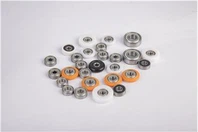
Hey there! As a supplier of Bearing 6001ZZ, I often get asked a bunch of questions about these little guys. One question that pops up quite a bit is, "Can Bearing 6001ZZ be used in a magnetic field?" Well, let's dig into this topic and find out.
First off, let's understand what Bearing 6001ZZ is. It's a type of small ball bearing that's widely used in various applications. You can find more details about it on our website Bearing 6001ZZ. These bearings are known for their durability and smooth operation, and they come with metal shields on both sides (the "ZZ" in the name), which helps keep contaminants out.
Now, let's talk about magnetic fields. Magnetic fields are all around us, from the Earth's natural magnetic field to the strong ones generated by industrial equipment like motors and generators. When it comes to using bearings in a magnetic field, there are a few things we need to consider.
The material of the bearing is a crucial factor. Most standard Bearing 6001ZZ are made of steel. Steel is ferromagnetic, which means it's attracted to magnets and can be magnetized. When a bearing is in a magnetic field, it can cause a few issues. For example, magnetic particles in the environment can be attracted to the bearing. These particles can act like abrasives, increasing wear and tear on the bearing surfaces. Over time, this can lead to premature failure of the bearing.
Another problem is that the magnetization of the bearing can disrupt the normal operation of the equipment. In some sensitive electronic devices, even a small amount of magnetization can cause interference with other components. For instance, in a precision measuring instrument, the magnetic field from a magnetized bearing could affect the accuracy of the measurements.
However, it's not all bad news. There are ways to mitigate these problems. One option is to use bearings made from non - magnetic materials. There are special bearings available that are made from materials like ceramics or certain types of stainless steel that are non - ferromagnetic. These bearings won't be affected by magnetic fields in the same way as steel bearings. But these non - magnetic bearings can be more expensive and may not be as readily available as the standard Bearing 6001ZZ.


If you still want to use a standard Bearing 6001ZZ in a magnetic field, you can take some protective measures. For example, you can use magnetic shields around the bearing. These shields can block or redirect the magnetic field, reducing the amount of magnetization of the bearing. You can also implement a regular cleaning and maintenance schedule to remove any magnetic particles that may have accumulated on the bearing.
Let's compare Bearing 6001ZZ with other small bearings. Bearing 6200 is another popular small ball bearing. Like Bearing 6001ZZ, it's also made of steel and has similar issues when used in a magnetic field. The choice between these two bearings often depends on the specific requirements of the application, such as load capacity, speed, and size constraints.
When it comes to small bearings in general, you can explore a wide range of options on our Small Bearings page. There are different types of small bearings available, each with its own characteristics and suitability for different applications.
In some industrial applications, the magnetic field can be quite strong. For example, in a large electric motor, the magnetic field can be several orders of magnitude stronger than the Earth's magnetic field. In such cases, using a standard Bearing 6001ZZ without proper protection is a risky move. The high - strength magnetic field can cause rapid magnetization of the bearing and attract a large amount of magnetic debris, leading to a very short lifespan for the bearing.
On the other hand, in some low - intensity magnetic field applications, like in a small consumer electronic device, the effects of the magnetic field on a Bearing 6001ZZ may be negligible. For instance, in a small fan motor in a laptop, the magnetic field is relatively weak, and with proper sealing and a clean operating environment, a standard Bearing 6001ZZ can work just fine.
So, can Bearing 6001ZZ be used in a magnetic field? The answer is it depends. If the magnetic field is weak and you take appropriate protective measures, it might be possible to use a standard Bearing 6001ZZ. But in strong magnetic fields or applications where magnetic interference is a concern, it's better to consider non - magnetic bearings.
If you're facing a situation where you need to use bearings in a magnetic field, I'd be more than happy to help you find the right solution. Whether it's choosing the appropriate bearing type, suggesting protective measures, or providing technical advice, we've got you covered. We have a wide range of Bearing 6001ZZ and other small bearings in stock, and we can offer competitive prices. If you're interested in purchasing bearings or have any questions about using them in a magnetic field, don't hesitate to get in touch. We're here to assist you in making the best decision for your application.
References
- "Handbook of Bearings: Selection, Installation, Lubrication, and Maintenance"
- "Industrial Magnetic Field Applications and Their Effects on Mechanical Components"