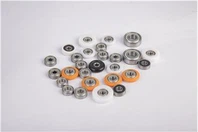
As a leading supplier of pulley bearings, I've witnessed firsthand the importance of these components in countless industrial and mechanical applications. Pulley bearings play a crucial role in ensuring smooth and efficient operation of various systems, from conveyor belts in manufacturing plants to garage doors in residential settings. However, like any mechanical part, pulley bearings are subject to wear and tear over time. Recognizing the signs of worn - out pulley bearings is essential for preventing costly breakdowns and ensuring the longevity of your equipment. In this blog post, I'll share some of the most common signs that your pulley bearings may be reaching the end of their lifespan.
Unusual Noise
One of the most obvious signs of worn - out pulley bearings is the presence of unusual noise. When bearings are in good condition, they operate quietly, allowing the pulley to rotate smoothly. However, as the bearings wear down, they can start to produce a variety of noises. A high - pitched squealing noise is often an indication of excessive friction within the bearing. This can be caused by a lack of lubrication, misalignment, or the presence of debris. On the other hand, a grinding or growling noise may suggest that the bearing's internal components, such as the balls or rollers, are damaged or worn. These noises can be particularly noticeable when the pulley is under load or when it starts and stops. If you hear any unusual noises coming from your pulley system, it's important to investigate the issue promptly. Continuing to operate the equipment with noisy bearings can lead to further damage and potentially cause the bearing to fail completely.
Vibration
Excessive vibration is another telltale sign of worn - out pulley bearings. Bearings are designed to provide a stable and smooth rotation for the pulley. When they start to wear, the smoothness of rotation is compromised, resulting in increased vibration. You may be able to feel the vibration by touching the pulley or the surrounding equipment. In some cases, the vibration can be so severe that it causes the entire machine to shake. Vibration can have several negative effects on your equipment. It can lead to accelerated wear on other components, such as belts and shafts, and can also cause misalignment of the pulley system. Over time, this can result in reduced efficiency, increased energy consumption, and even structural damage to the equipment. If you notice excessive vibration in your pulley system, it's crucial to check the bearings for wear.
Increased Friction
Worn - out pulley bearings often exhibit increased friction. This can be due to a variety of factors, including a loss of lubrication, the presence of contaminants, or the degradation of the bearing's surface. Increased friction can cause the pulley to require more power to rotate, leading to higher energy consumption. You may notice that the motor driving the pulley has to work harder, which can be indicated by an increase in amperage or a decrease in the motor's performance. Additionally, the increased friction can generate heat, which can further damage the bearing and other components in the system. Heat can cause the lubricant to break down more quickly, leading to even more friction and wear. If you suspect that your pulley bearings are experiencing increased friction, you can use a temperature gun to measure the temperature of the bearing. A significantly higher temperature than normal is a clear sign of a problem.


Visual Inspection
A visual inspection can also reveal signs of worn - out pulley bearings. Look for signs of physical damage, such as cracks, chips, or corrosion on the bearing's outer race, inner race, or rolling elements. These damages can be caused by impacts, overloading, or exposure to harsh environments. Another visual indicator is the presence of excessive grease or oil leakage. This can be a sign that the bearing's seals are damaged, allowing lubricant to escape and contaminants to enter. Additionally, check the alignment of the pulley and the bearing. Misalignment can cause uneven wear on the bearing and lead to premature failure. If you notice any of these visual signs during an inspection, it's likely that the bearing needs to be replaced.
Reduced Performance
If your pulley system is not performing as well as it used to, worn - out bearings could be the culprit. You may notice that the pulley rotates more slowly than normal, or that it has difficulty maintaining a consistent speed. This can be particularly problematic in applications where precise speed control is required, such as in conveyor systems or printing presses. Reduced performance can also manifest as a decrease in the system's overall efficiency. For example, if a conveyor belt is moving more slowly due to worn bearings, it can lead to a bottleneck in the production process. If you experience a decline in the performance of your pulley system, it's important to evaluate the condition of the bearings.
Importance of Timely Replacement
Recognizing the signs of worn - out pulley bearings is only half the battle. Taking timely action to replace the bearings is equally important. Delaying the replacement can lead to more severe problems, such as complete bearing failure, which can cause extensive damage to the equipment and result in costly downtime. By replacing the bearings at the first sign of wear, you can prevent these issues and ensure the continued smooth operation of your machinery.
Our Product Offerings
At our company, we offer a wide range of high - quality pulley bearings to meet the diverse needs of our customers. Our product line includes U Type Groove Pulley, which are designed for applications where a secure fit and smooth operation are required. We also have Sliding Gate Roller Bearings, which are ideal for use in sliding gate systems, providing reliable performance and long - lasting durability. Additionally, our Paper Roller Bearing is specifically engineered for the paper industry, where high - precision and low - friction operation are essential.
Contact Us for Procurement
If you suspect that your pulley bearings are worn out or if you're looking to upgrade your existing bearings, we're here to help. Our team of experts can provide you with professional advice on the best bearing solutions for your specific application. We're committed to delivering top - quality products and excellent customer service. Whether you need a single bearing or a large quantity for a major project, we can meet your requirements. Don't hesitate to contact us to start the procurement process and ensure the optimal performance of your equipment.
References
- "Mechanical Design Handbook", McGraw - Hill
- "Bearing Technology Handbook", SKF
- Industry standards and guidelines related to pulley bearings.