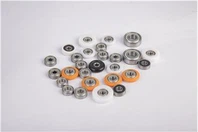
Pulley bearings are crucial components in various industrial and mechanical applications, playing a vital role in ensuring smooth operation and efficient power transmission. However, bearing failures can occur, leading to costly downtime, increased maintenance, and potential safety hazards. As a leading supplier of high - quality pulley bearings, including Sliding Gate Roller Bearings, Door Bearing Wheels, and Paper Roller Bearing, we understand the importance of preventing these failures. In this blog, we will explore some effective strategies to prevent pulley bearing failures.
Understanding the Causes of Pulley Bearing Failures
Before we can discuss prevention methods, it is essential to understand the common causes of pulley bearing failures. These causes can be broadly classified into the following categories:


1. Contamination
Contamination is one of the most common causes of bearing failure. Dust, dirt, water, and other foreign particles can enter the bearing, causing abrasion, corrosion, and premature wear. In industrial environments, for example, fine dust particles from manufacturing processes can infiltrate the bearing, leading to increased friction and reduced bearing life.
2. Lubrication Issues
Proper lubrication is crucial for the smooth operation of pulley bearings. Insufficient lubrication can result in increased friction, heat generation, and wear. On the other hand, over - lubrication can also be a problem, as it can cause the bearing to overheat and lead to the breakdown of the lubricant. Additionally, using the wrong type of lubricant can also compromise the performance of the bearing.
3. Misalignment
Misalignment occurs when the pulley and the bearing are not properly aligned. This can be due to improper installation, shaft deflection, or wear and tear on the equipment. Misalignment can cause uneven loading on the bearing, leading to increased stress, vibration, and premature failure.
4. Overloading
Overloading the bearing beyond its rated capacity can cause excessive stress on the bearing components, leading to fatigue failure. This can happen when the equipment is operated under extreme conditions or when the load is not evenly distributed.
5. Fatigue
Fatigue failure is a common issue in bearings that are subjected to repeated loading and unloading cycles. Over time, the stress on the bearing material can cause cracks to form, which can eventually lead to the complete failure of the bearing.
Preventive Measures
1. Contamination Prevention
- Sealing Solutions: Use high - quality seals to prevent contaminants from entering the bearing. Seals can be either contact or non - contact types, depending on the application requirements. Contact seals provide better protection against contaminants but may generate more friction, while non - contact seals offer less friction but may not be as effective in preventing fine particles from entering.
- Clean Environment: Maintain a clean working environment around the equipment. Regularly clean the area around the pulleys and bearings to remove dust and dirt. In dusty environments, consider using enclosures or covers to protect the bearings.
- Filtering Systems: Install filtering systems in the lubrication circuit to remove contaminants from the lubricant. This can help to extend the life of the lubricant and reduce the risk of bearing damage.
2. Lubrication Management
- Proper Lubricant Selection: Choose the right type of lubricant based on the application requirements, such as operating temperature, load, and speed. Consult the bearing manufacturer's recommendations for the appropriate lubricant. For example, in high - temperature applications, a high - temperature grease may be required.
- Lubrication Schedule: Establish a regular lubrication schedule to ensure that the bearings are properly lubricated. The frequency of lubrication will depend on the operating conditions, but it is generally recommended to lubricate the bearings at regular intervals.
- Lubrication Quantity: Use the correct amount of lubricant. Over - lubrication can be just as harmful as under - lubrication. Follow the manufacturer's guidelines for the recommended lubrication quantity.
3. Alignment and Installation
- Precise Installation: Ensure that the bearings are installed correctly. Use proper installation tools and techniques to avoid damage to the bearing during installation. Follow the manufacturer's installation instructions carefully.
- Alignment Checks: Regularly check the alignment of the pulleys and bearings. Use alignment tools such as laser alignment systems to ensure that the components are properly aligned. Correct any misalignment immediately to prevent premature bearing failure.
4. Load Management
- Load Assessment: Before operating the equipment, assess the load requirements and ensure that the bearings are properly sized for the application. Avoid overloading the bearings by following the manufacturer's load ratings.
- Load Distribution: Ensure that the load is evenly distributed across the bearing. Use appropriate pulleys and belts to distribute the load evenly and prevent excessive stress on the bearing.
5. Condition Monitoring
- Vibration Analysis: Regularly monitor the vibration levels of the equipment. Abnormal vibration can be an early indication of bearing problems. Use vibration sensors and analysis tools to detect any changes in vibration patterns and take corrective action before a failure occurs.
- Temperature Monitoring: Monitor the temperature of the bearings during operation. An increase in temperature can indicate a problem with lubrication, overloading, or misalignment. Use temperature sensors to detect any abnormal temperature rises and address the issue promptly.
- Lubricant Analysis: Periodically analyze the lubricant to check for signs of contamination, wear, and degradation. This can help to identify potential problems with the bearing and the lubrication system.
Our Role as a Pulley Bearing Supplier
As a trusted supplier of pulley bearings, we are committed to providing our customers with high - quality products and comprehensive support. Our range of Sliding Gate Roller Bearings, Door Bearing Wheels, and Paper Roller Bearing is designed to meet the diverse needs of different applications.
We offer technical expertise and advice to help our customers select the right bearings for their specific requirements. Our team of engineers can assist with installation, alignment, and maintenance procedures to ensure the optimal performance of the bearings. We also provide training programs for our customers' maintenance staff to enhance their knowledge and skills in bearing management.
In addition, we have a strict quality control system in place to ensure that all our products meet the highest standards. We source our raw materials from reputable suppliers and conduct rigorous testing on our bearings to ensure their reliability and durability.
Conclusion
Preventing pulley bearing failures is essential for the efficient operation of industrial and mechanical equipment. By understanding the common causes of bearing failure and implementing the appropriate preventive measures, such as contamination prevention, lubrication management, alignment and installation, load management, and condition monitoring, you can significantly extend the life of your bearings and reduce the risk of costly downtime.
As a leading pulley bearing supplier, we are here to support you in your efforts to prevent bearing failures. If you have any questions or need assistance in selecting the right bearings for your application, please do not hesitate to contact us. Our team of experts is ready to help you make the best decisions for your equipment and ensure its long - term reliability.
References
- Harris, T. A., & Kotzalas, M. N. (2007). Rolling Bearing Analysis. John Wiley & Sons.
- Zaretsky, E. V. (2007). Ball and Roller Bearing Engineering. CRC Press.
- SKF Bearing Handbook. SKF Group.