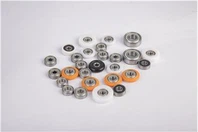
Hey there! As a supplier of Small Bearings, I've gotten tons of questions about how to install small bearings on a tapered shaft. It's a task that might seem a bit tricky at first, but with the right approach and a bit of know - how, you can get it done smoothly. So, let's dive right in!
Understanding the Basics
First off, we need to understand what we're working with. A tapered shaft has a diameter that changes along its length. This design is used in many applications because it allows for a tight fit and easy adjustment. Small bearings, on the other hand, are used in a wide range of equipment, from small motors to precision instruments.
When you're dealing with small bearings, it's crucial to handle them with care. These little guys are precision - made, and any damage to the bearing surface can lead to premature failure. For example, if you're using a Bearing 6001ZZ, it's a small - sized ball bearing with specific load - carrying capacities and clearances.
Pre - installation Checks
Before you start the installation process, there are a few important checks you need to make.
Shaft Inspection
Examine the tapered shaft for any signs of damage, such as scratches, dents, or rust. A damaged shaft can prevent the bearing from fitting properly and may cause uneven stress distribution. Use a clean cloth to wipe the shaft and remove any dirt or debris. You can also use a fine - grit sandpaper to smooth out minor scratches if necessary.
Bearing Inspection
Inspect the small bearing itself. Check for any visible damage to the outer and inner races, balls, or cage. Make sure the bearing is clean and free of contaminants. If you're using a Small Bearings product, it should come well - protected, but it's still a good idea to double - check.
Measuring
Measure the shaft taper and the bearing bore to ensure they are compatible. The taper of the shaft should match the taper of the bearing bore within the specified tolerance. You can use a micrometer or a caliper for these measurements.
Installation Process
Heating the Bearing (Optional)
In some cases, it might be necessary to heat the bearing to make the installation easier. This is especially true for smaller bearings where a tight fit is required. You can use a bearing heater to heat the bearing to a temperature of around 80 - 100°C (176 - 212°F). However, be careful not to overheat the bearing, as this can damage the material and affect its performance.
Lubrication
Apply a thin layer of lubricant to the shaft and the bearing bore. This will reduce friction during the installation process and help prevent damage to the bearing and the shaft. You can use a high - quality bearing lubricant that is suitable for your application.
Press - fitting
Place the bearing on the tapered shaft. You can use a press or a soft - faced hammer to gently tap the bearing into place. Make sure the bearing is aligned correctly with the shaft. If you're using a press, apply a slow and steady force until the bearing reaches the desired position.
Locking the Bearing
Once the bearing is in place, you need to lock it to prevent it from moving. You can use a lock nut or a locking device depending on the design of your application. Make sure the locking mechanism is tightened properly but not over - tightened, as this can cause the bearing to distort.
Troubleshooting
Sometimes, things might not go as smoothly as planned. Here are some common issues and how to solve them:
Difficult Installation
If you're having trouble getting the bearing onto the shaft, double - check the shaft and bearing dimensions. It's possible that there is a slight mismatch. You can also try heating the bearing a bit more or using a different lubricant.
Loose Bearing
If the bearing seems loose after installation, check the locking mechanism. It might not be tightened enough. You can also check if there is any wear on the shaft or the bearing that could be causing the looseness.


Noise or Vibration
If you notice noise or vibration after the installation, it could be a sign of improper installation. Check the alignment of the bearing and make sure it is seated correctly on the shaft. You might also need to check the balance of the rotating components.
Different Types of Small Bearings and Installation Considerations
Let's talk a bit about different types of small bearings and how the installation process might vary.
Bearing 6200
The Bearing 6200 is a deep - groove ball bearing. It's commonly used in small - to - medium - sized applications. When installing this bearing on a tapered shaft, you need to pay extra attention to the fit. The deep - groove design allows for a certain amount of misalignment, but it's still important to ensure a proper fit to avoid premature wear.
Conclusion
Installing small bearings on a tapered shaft might seem like a daunting task, but with the right preparation and techniques, it can be done effectively. Remember to handle the bearings with care, perform pre - installation checks, and follow the correct installation process.
If you're in the market for high - quality small bearings, we've got you covered. Our Small Bearings are designed to meet the highest standards of quality and performance. Whether you need a Bearing 6001ZZ or a Bearing 6200, we have a wide range of options to choose from.
If you have any questions about our products or need more detailed installation guidance, feel free to reach out and start a procurement discussion. We're here to help you find the best solutions for your needs.
References
- "Bearing Installation Handbook" - A general guide on bearing installation techniques.
- Manufacturer's specifications for Small Bearings products.