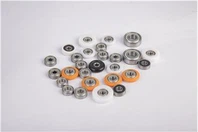
Hey there! I'm a supplier of Paper Roller Bearings, and today I'm gonna walk you through the process of installing a paper roller bearing. It might seem a bit tricky at first, but with the right steps, you'll have it up and running in no time.
What You'll Need
Before we start, let's gather the necessary tools and materials. You'll need a set of wrenches, a hammer (a soft - faced one is better to avoid damaging the bearing), a clean cloth, and of course, the paper roller bearing itself. Also, having some lubricant on hand is a good idea to ensure smooth operation.
Step 1: Preparation
First things first, make sure you've got a clean and well - lit workspace. Remove any dirt, debris, or old lubricant from the area where the bearing will be installed. Use the clean cloth to wipe down the shaft and the housing. This is crucial because any foreign particles can cause premature wear and tear on the bearing.
Inspect the bearing carefully. Check for any visible damage, such as cracks, dents, or rough spots on the raceways or rolling elements. If you notice any issues, don't use the bearing. Reach out to us as your Paper Roller Bearing supplier, and we'll replace it for you.
Step 2: Measuring and Fitting
Measure the shaft and the housing to ensure they match the dimensions of the bearing. The fit should be neither too loose nor too tight. A loose fit can cause the bearing to move around, leading to vibration and noise. On the other hand, a tight fit can put excessive stress on the bearing, reducing its lifespan.
If the fit is too tight, you might need to use a press to install the bearing onto the shaft. Make sure the press is properly aligned to avoid damaging the bearing. If it's too loose, you may need to consider using shims or other methods to achieve a proper fit.
Step 3: Installing the Bearing on the Shaft
Now, it's time to put the bearing on the shaft. If the bearing has a tight fit, place it on the end of the shaft and use a sleeve or a drift that matches the inner diameter of the bearing. Gently tap the sleeve or drift with the hammer to drive the bearing onto the shaft. Be careful not to hit the bearing directly with the hammer, as this can damage it.

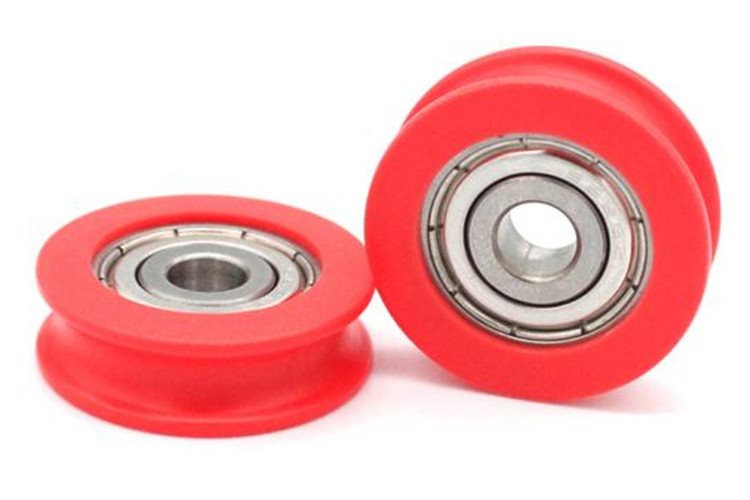
If you're using a press, follow the manufacturer's instructions to apply even pressure and gradually press the bearing onto the shaft until it's fully seated.
Step 4: Installing the Bearing in the Housing
Once the bearing is on the shaft, it's time to install the assembly into the housing. Clean the inside of the housing again to remove any remaining debris. Place the bearing - shaft assembly into the housing carefully. If there are any alignment marks on the housing and the bearing, make sure they line up.
You may need to use a mallet or a press to seat the bearing in the housing properly. Again, apply even pressure to avoid misalignment.
Step 5: Lubrication
Lubrication is key to the proper functioning of the paper roller bearing. Apply the appropriate lubricant to the bearing according to the manufacturer's recommendations. Different types of bearings may require different lubricants, such as grease or oil.
Use a grease gun or an oil dispenser to apply the lubricant evenly to the bearing. Make sure to fill the bearing cavity without over - lubricating, as too much lubricant can cause overheating and other problems.
Step 6: Final Checks
After installing the bearing and applying the lubricant, give the assembly a final check. Rotate the shaft by hand to make sure the bearing rotates smoothly without any binding or noise. Check for any signs of misalignment or improper installation.
If you notice any issues, disassemble the bearing and re - check the installation steps. Sometimes, a small adjustment can make a big difference.
Other Related Bearings
If you're also in the market for other types of bearings, we've got you covered. We offer Sliding Gate Roller Bearings, which are great for sliding gate applications. These bearings are designed to withstand heavy loads and provide smooth operation.
We also have Door Bearing Wheels that are perfect for door systems. They are durable and can make your doors open and close more easily.
And for industrial applications, our Industrial Roller Bearings are built to last. They can handle high - speed and high - load conditions, ensuring reliable performance in your industrial machinery.
Conclusion
Installing a paper roller bearing might seem like a complex task, but by following these steps, you can do it successfully. Remember, if you have any questions or need further assistance, we're here as your trusted Paper Roller Bearing supplier. We have a team of experts who can provide you with more detailed advice and support.
If you're interested in purchasing paper roller bearings or any of our other products, don't hesitate to reach out to us. We're always ready to discuss your requirements and offer you the best solutions. Let's work together to ensure your machinery runs smoothly with our high - quality bearings.
References
- Machinery's Handbook, 31st Edition
- Bearing Installation and Maintenance Guide by SKF
- Industrial Bearing Handbook by Timken