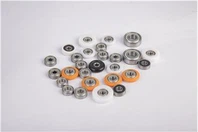
In the paper industry, paper roller bearings play a crucial role in the smooth operation of production lines. These bearings are subject to high loads, continuous rotation, and often harsh working environments, which can lead to premature fatigue and failure. As a reputable paper roller bearing supplier, I understand the challenges faced by paper manufacturers and am dedicated to providing solutions to improve the fatigue life of these essential components.
Understanding the Causes of Bearing Fatigue
Before we delve into the strategies for improving fatigue life, it is essential to understand the factors that contribute to bearing fatigue. The primary causes include:
- Overloading: Excessive loads can exceed the bearing's design capacity, leading to increased stress and accelerated fatigue.
- Lubrication Issues: Inadequate or improper lubrication can result in increased friction, heat generation, and wear, all of which can reduce the bearing's fatigue life.
- Contamination: Dust, dirt, and other contaminants can enter the bearing, causing abrasion and damage to the rolling elements and raceways.
- Misalignment: Incorrect installation or misalignment of the bearing can lead to uneven loading and premature fatigue.
- Operating Conditions: High temperatures, humidity, and corrosive environments can all have a negative impact on the bearing's performance and fatigue life.
Strategies for Improving Fatigue Life
Based on our extensive experience and expertise, we recommend the following strategies to improve the fatigue life of paper roller bearings:
Select the Right Bearing
The first step in improving the fatigue life of paper roller bearings is to select the right bearing for the application. Consider the following factors when choosing a bearing:
- Load Capacity: Ensure that the bearing has sufficient load capacity to handle the expected loads in the application.
- Speed Rating: Select a bearing with a speed rating that matches the operating speed of the equipment.
- Lubrication Requirements: Choose a bearing that is compatible with the lubrication system and environment.
- Sealing and Shielding: Opt for bearings with effective sealing and shielding to prevent contamination.
Proper Installation and Alignment
Proper installation and alignment are critical for maximizing the fatigue life of paper roller bearings. Follow these guidelines during installation:
- Clean the Shaft and Housing: Ensure that the shaft and housing are clean and free of debris before installing the bearing.
- Use the Correct Tools: Use the appropriate tools for installation to avoid damaging the bearing.
- Align the Bearing: Align the bearing properly to ensure even loading and prevent premature wear.
- Torque the Mounting Bolts: Tighten the mounting bolts to the recommended torque specification to ensure a secure fit.
Effective Lubrication
Proper lubrication is essential for reducing friction, heat generation, and wear in paper roller bearings. Follow these lubrication best practices:
- Select the Right Lubricant: Choose a lubricant that is compatible with the bearing materials and operating conditions.
- Maintain the Correct Lubricant Level: Keep the lubricant level within the recommended range to ensure proper lubrication.
- Monitor the Lubricant Condition: Regularly inspect the lubricant for signs of contamination or degradation and replace it as needed.
- Use an Appropriate Lubrication System: Consider using an automated lubrication system to ensure consistent and accurate lubrication.
Contamination Control
Contamination is a major cause of bearing fatigue and failure. Implement the following contamination control measures:
- Seal the Bearing Environment: Use seals and shields to prevent dust, dirt, and other contaminants from entering the bearing.
- Keep the Work Area Clean: Maintain a clean work area to minimize the risk of contamination during installation and maintenance.
- Filter the Lubricant: Use a high-quality lubricant filter to remove contaminants from the lubricant.
- Inspect the Bearing Regularly: Regularly inspect the bearing for signs of contamination and take appropriate action if necessary.
Monitoring and Maintenance
Regular monitoring and maintenance are essential for detecting early signs of wear and fatigue in paper roller bearings. Implement a comprehensive maintenance program that includes the following:
- Vibration Analysis: Use vibration analysis to detect changes in the bearing's operating condition and identify potential issues.
- Temperature Monitoring: Monitor the bearing temperature to detect overheating, which can indicate a problem.
- Visual Inspection: Regularly inspect the bearing for signs of wear, damage, or contamination.
- Lubricant Analysis: Analyze the lubricant to determine its condition and identify any contaminants or degradation.
- Replacement Schedule: Establish a replacement schedule based on the bearing's expected service life and operating conditions.
Other Related Products
In addition to paper roller bearings, we also offer a range of other high-quality bearings and related products, including Sliding Gate Roller Bearings, Door Bearing Wheels, and 6200zz Garage Door Rollers. These products are designed to meet the demanding requirements of various industries and applications, providing reliable performance and long service life.
Conclusion
Improving the fatigue life of paper roller bearings is essential for ensuring the smooth operation and productivity of paper manufacturing processes. By selecting the right bearing, ensuring proper installation and alignment, implementing effective lubrication and contamination control measures, and conducting regular monitoring and maintenance, paper manufacturers can significantly extend the service life of their bearings and reduce downtime and maintenance costs.
As a leading paper roller bearing supplier, we are committed to providing our customers with the highest quality products and technical support. If you have any questions or need assistance with selecting the right bearing for your application, please do not hesitate to contact us. We look forward to the opportunity to discuss your specific requirements and help you optimize the performance of your paper roller bearings.


References
- Harris, T. A., & Kotzalas, M. N. (2007). Rolling Bearing Analysis. Wiley-Interscience.
- Zaretsky, E. V. (2006). Rolling Bearing Fatigue Life: Theory, Analysis, and Application. CRC Press.
- ASME B36.10M - Welded and Seamless Wrought Steel Pipe.
- ISO 15:1998 - ISO system of limits and fits -- Bases of tolerances, deviations and fits.